
Flowers
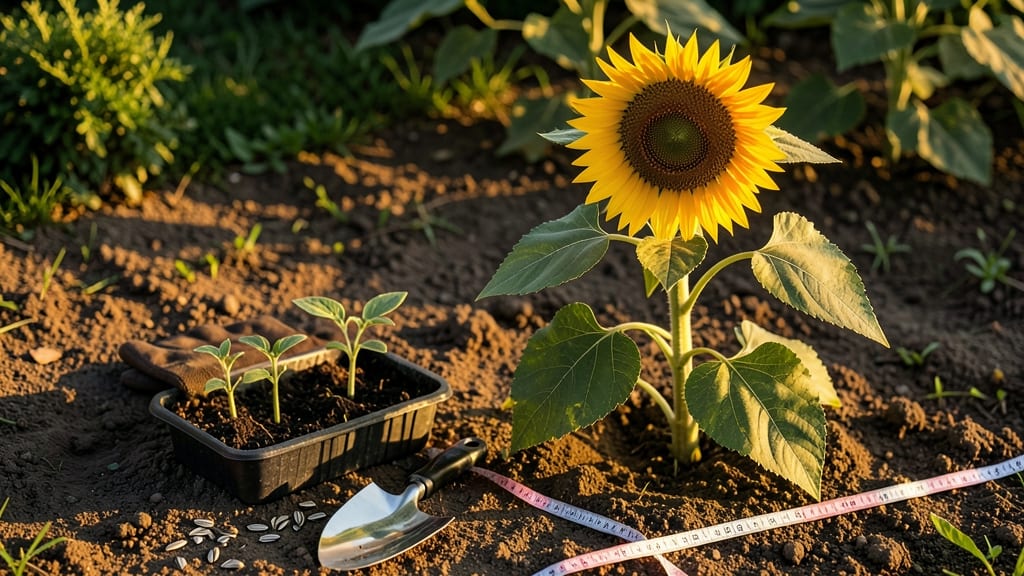
Plant sunflowers in Georgia when soil temperatures hit 50°F or warmer—typically mid-March through early July—because cold soil delays germination and weakens seedlings.
You’ve got the right location for these towering beauties 🌻, but timing is everything. Plant too early, and frost will nip tender sprouts; too late, and summer’s heat may stunt growth before blooms appear. The key? Watching soil temperature—not just the calendar.
Georgia’s varied climate means coastal areas can start earlier, while the Piedmont and mountains may need to wait until late April. Dwarf varieties germinate faster, while giant sunflowers need warmer soil to avoid leggy stems.
Below, I’ll break down the exact soil temp triggers, regional adjustments, and how to test your garden bed—so you skip the guesswork and get fast, healthy blooms all season.
Georgia sunflower planting timeline by soil temperature (not calendar dates)
Georgia’s sunflowers need soil temperatures between 50°F–60°F to germinate properly—not just warm air. Coastal areas like Savannah hit this threshold in mid-March, while North Georgia’s mountains may wait until late April. Ignoring soil warmth leads to slow sprouting or seed rot in Georgia’s unpredictable spring rains.
Use a soil thermometer (available at garden centers) to check depth of 1–2 inches. If your reading is below 50°F, wait 1–2 weeks—even if your neighbor’s calendar says “spring.” Georgia’s Piedmont region often faces late frosts that can wipe out early plantings, so timing matters more than dates.
Dwarf varieties (2–4 feet tall) germinate faster in cooler soil (50°F) than giant sunflowers (10+ feet), which prefer 55°F–60°F for best vigor. This difference affects your planting window by 10–14 days depending on the variety you choose.
🌱 Comparison Table: Georgia Sunflower Planting by Soil Temp & Region
For direct sowing (the easiest method in Georgia), scatter seeds ½ inch deep and 12–24 inches apart. Giant varieties need more space (24+ inches) to avoid competition. If you’re transplanting starts, harden them off for 5–7 days before setting them out after soil hits 60°F.
Georgia’s summer heat (often exceeding 90°F) can stress sunflowers planted too late. Aim to have dwarf varieties blooming by July 4th and giant varieties by August 1st to ensure full maturity before fall rains reduce seed quality. Late plantings risk powdery mildew from Georgia’s high humidity.
If your soil stays below 50°F past April 30th, consider black plastic mulch to warm the soil by 5–10°F. This trick works especially well in North Georgia’s cooler microclimates. Remove the mulch once plants are 6 inches tall to prevent overheating.
For fall plantings (less common but possible in coastal Georgia), sow seeds by late July when soil temps drop to 65°F–70°F. These sunflowers will bloom in fall, offering late-season color before frost. Just be ready to harvest seeds by October 15th before hard frosts hit.
Remember: Georgia’s clay-heavy soils retain moisture longer, which can delay soil warming. Amend beds with compost or sand to improve drainage and speed up soil temperature increases. A 5-gallon bucket of compost per planting hole works wonders for germination rates.
🌻 Key Takeaway: Your Georgia sunflower’s success hinges on soil temperature, not just the calendar. Test, wait, and plant when conditions are right—your towering sunflowers will thank you!
How to adjust planting time for Georgia’s frost zones (7a–8b) and heat waves
Georgia’s USDA zones 7a–8b create unique challenges for sunflower growers. Late spring frosts in the North Georgia mountains can delay planting, while summer heat waves in the Coastal Plain demand heat-tolerant varieties.
Adjusting your planting schedule isn’t just about avoiding frost—it’s about maximizing your sunflowers’ potential to thrive in Georgia’s humid, variable climate.
In Zone 7a (like Dahlonega or Blairsville), wait until mid-April to plant sunflowers, when soil temperatures consistently reach 55°F+. Meanwhile, Zone 8b gardeners in Savannah or Brunswick can start as early as mid-March, but watch for unpredictable heat spikes that can stress young seedlings.
- 1 North Georgia (Zones 7a–7b): Plant after April 15 when nighttime temps stay above 40°F. Use dwarf varieties like 'Teddy Bear' (2–4 ft) for earlier harvests before summer heat peaks.
- 2 Central Georgia (Zone 7b–8a): Start March 20–April 15 with heat-tolerant varieties like 'Autumn Beauty' (5–6 ft) to avoid July heat stress. Succession plant every 2 weeks for continuous blooms.
- 3 Coastal Georgia (Zone 8a–8b): Plant February 20–March 15 for summer blooms, but prioritize shade-cloth protection during 90°F+ days. Try 'Moulin Rouge' (4–5 ft) for vibrant colors in humid conditions.
- 4 Heat Wave Strategy: For June–July plantings, use mulch (straw or black plastic) to keep roots 5°F cooler. Water deeply at soil level (not overhead) to prevent powdery mildew in Georgia’s humidity.
- 5 Frost-Proofing Tip: In Zone 7a, cover seedlings with frost cloth if temps drop below 32°F after planting. Remove cloth by 10 AM to avoid overheating.
Succession planting is your secret weapon for continuous sunflower blooms in Georgia. Instead of one massive planting, stagger seeds every 2 weeks from March to June. This ensures you’ll have blooms from July through October, even as summer heat arrives.
For example, plant 'Russian Giant' (12–16 ft) in late April for fall harvests, while 'Sunspot' (3–4 ft) thrives in early June plantings.
Georgia’s humidity and heat can stress sunflowers, but choosing the right varieties makes all the difference. 'ProCut' (5–6 ft) is bred for drought tolerance and resists powdery mildew, while 'Evening Sun' (5–7 ft) handles partial shade better than most.
Always check seed packets for "heat-tolerant" labels when shopping for Georgia gardens.
Monitor local frost forecasts using the National Weather Service or your county extension office. In North Georgia, late frosts can occur as late as April 30, so have row covers ready.
For Coastal Georgia, focus on heat stress signs like yellowing leaves or drooping stems—these signal it’s time to increase watering and provide afternoon shade.
With these adjustments, your sunflowers will thrive year-round in Georgia’s climate—whether you’re battling late frosts or scorching summers. Start with small test plots to fine-tune your timing, and soon you’ll have towering sunflowers gracing your garden from spring to fall.