
Companion Plants
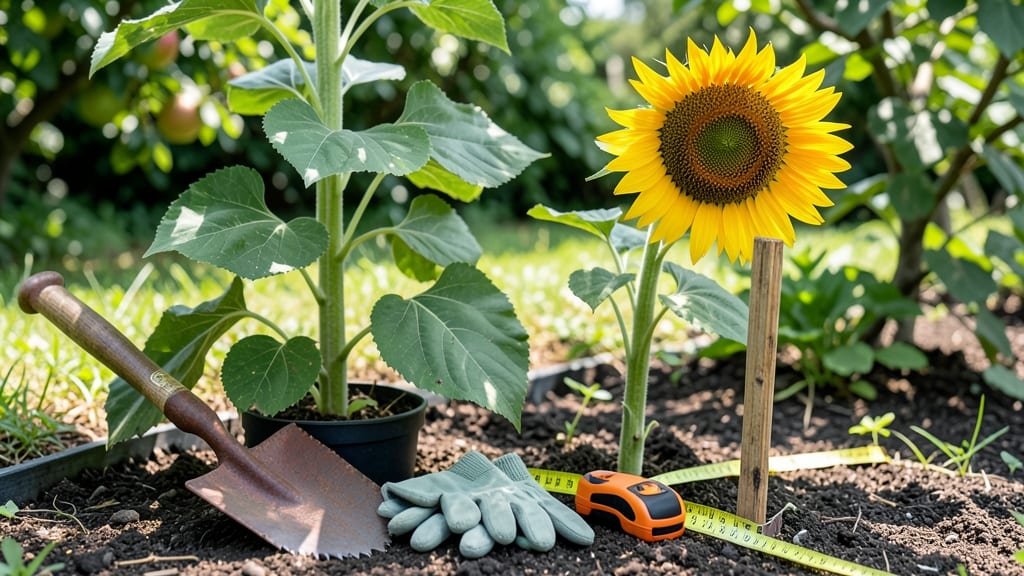
Planting sunflowers in Pennsylvania after the last frost date—typically mid-April to early June—sets you up for towering blooms and a garden that hums with activity.
You’ve got the seeds, the space, and maybe even a vision of 6-foot stalks swaying in the breeze—but timing is the difference between a showstopper and a sad, stunted plant.
In Pennsylvania, where hardiness zones 5b to 7a bring unpredictable springs, getting it wrong means watching your sunflowers 🌻 bolt or freeze before they even get started.
This guide breaks down the exact dates for your zone, how to prep soil for sunflowers that grow fast and strong, and the simple tricks to beat late frosts. Whether you’re in Pittsburgh or Philly, we’ll make sure your sunflowers hit their full potential.
From choosing the right variety to spacing seeds for maximum impact, you’ll learn how to turn your garden into a sunflower haven—without the guesswork.
Best planting dates for sunflowers in Pennsylvania by Zone
Pennsylvania's diverse climate—from the cold Zone 4 mountains to the milder Zone 7 valleys—means sunflower planting dates vary dramatically. In northern PA (Zones 4-5), you’ll need to wait until mid-May for safe germination, while southern PA (Zones 6-7) gardeners can start as early as late April.
Sunflowers thrive when soil temperatures reach 55°F (13°C)—a threshold that arrives weeks after the last frost. Direct sowing is best for sunflowers, as they dislike transplanting, but starter transplants can be used in Zone 7 with row covers for early starts.
Here’s your zone-by-zone planting schedule, including frost-free dates and ideal germination windows:
In Zone 4, where late frosts linger, I recommend waiting until after May 15 to plant direct-sown seeds. The soil must stay above 55°F for at least 10 days to avoid poor germination.
For Zone 7, you can even try late March plantings under protective cloches or row covers.
Sunflowers are fast growers, with some varieties reaching 10 feet in 80 days. To maximize your bloom time, aim to plant 3–4 weeks before your first expected frost in fall. In Zone 5–6, this means late July plantings can still yield harvestable seeds before winter.
For direct sowing, plant seeds 1 inch deep and 6 inches apart in rows 18–24 inches apart. If you’re using transplants (best for Zone 7), harden them off for 7–10 days before setting them out after May 1.
Watch for late frosts, especially in Zone 4–5. If frost threatens, cover young plants with frost cloth or move containers indoors temporarily. Dwarf varieties (like 'Teddy Bear') are ideal for short-season gardens and can be planted 2 weeks later than standard types.
Pro tip: Use a soil thermometer to confirm 55°F+ soil temps before planting. In Zone 6–7, you can even try succession planting every 2 weeks from April to July for continuous blooms.
Remember, sunflowers need full sun (6+ hours daily) and well-draining soil. Amend heavy clay soils with compost to improve drainage, especially in northern PA’s wetter zones.
With the right timing, your sunflowers will tower over your garden by summer, attracting pollinators and adding cheerful color until frost. Happy planting! 🌻
How to extend sunflower season in Pennsylvania’s short growing period
Pennsylvania’s unpredictable spring and fall transitions can cut sunflower season short, but with the right strategies, you can enjoy towering blooms from June through October. The key lies in succession planting, selecting cold-hardy varieties, and preparing your soil to maximize growth during PA’s limited frost-free window.
Even in Zone 4, where summers are brief, you can stretch your sunflower display with these proven techniques.
Start by choosing early-maturing varieties like 'Autumn Beauty' (50-60 days) or 'Moulin Rouge' (55-60 days) for spring plantings, then follow with late-season varieties such as 'Russian Giant' (80-120 days) for fall.
This staggered approach ensures continuous blooms, even when temperatures dip unexpectedly. Pair these with companion plants like borage or marigolds to deter pests and improve soil health.
- 1.
Sow seeds in 3 batches starting in late April, mid-May, and early June for staggered blooms. Use row covers for early plantings to protect from late frosts.
- 2.
Opt for 'Teddy Bear' (45 days) or 'ProCut' (50 days)—both thrive in cooler temps. These dwarf varieties (3-5 ft) also resist wind better than giants.
- 3.
Amend heavy clay soils with 50% compost and 30% sand to improve drainage. Sunflowers hate soggy roots—test your soil’s drainage rate by digging a 12-inch hole and filling it with water.
- 4.
Use tall grasses or corn stalks as windbreaks to prevent stem breakage in PA’s gusty conditions. Space sunflowers 12-18 inches apart in rows 2-3 feet apart.
- 5.
Leave 2-3 mature heads on stalks until late October to collect seeds for fall planting. Dry seeds indoors for 2 weeks before storing in a cool, dark place.
For fall extensions, try planting 'Moulin Rouge' in early August—its vibrant red-and-yellow blooms thrive in cooler temps and often last until first frost. Pair it with nasturtiums to repel pests naturally. Mulch with straw to insulate roots and retain moisture during PA’s dry spells.
Don’t forget to deadhead spent blooms to encourage more flowers and prevent seed production. This simple step can add 3-4 extra weeks of blooming time. With these methods, your sunflowers will defy PA’s short season and keep your garden buzzing with color long after most plants have faded.
🌻