
Flowers
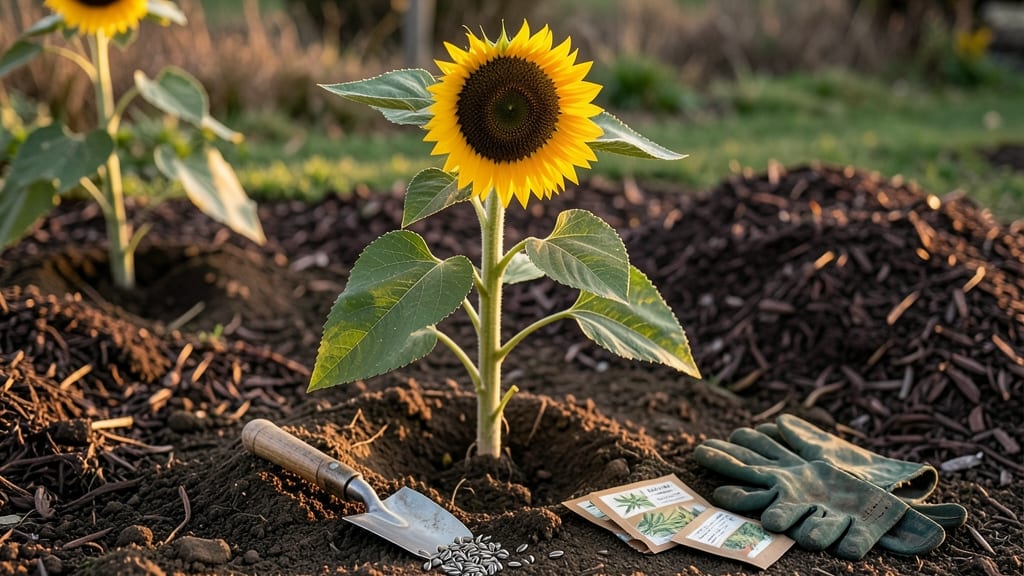
Planting sunflowers in Tucson means timing it for fall or early spring—when the desert’s extreme heat hasn’t yet arrived or has eased.
Tucson’s scorching summers and unpredictable monsoons can make sunflower gardening a challenge—but timing your planting just right ensures vibrant blooms that thrive despite the heat.
Most gardeners in USDA Zone 9a swear by September-October for fall planting or March-April for spring, when soil temperatures are ideal and frost risks vanish.
Below, I’ll break down the exact windows, heat-resistant varieties, and soil prep tricks to keep your 🌻 sunflowers standing tall all season long.
Best planting months for sunflowers in Tucson’s desert climate
Tucson’s USDA Zone 9b climate offers unique opportunities for growing sunflowers, but timing is everything. Unlike cooler regions, we can plant sunflowers twice a year—once in fall/winter and again in spring—to avoid the worst heat.
The key is understanding when to start seeds directly in the ground versus transplanting young plants.
Sunflowers thrive when daytime temperatures stay below 85°F during early growth. Tucson’s summer heat (often exceeding 100°F) can stress seedlings, so we focus on planting when mornings are cooler. Fall/winter plantings take advantage of milder temperatures and consistent moisture from monsoon remnants.
Direct sowing in September-October gives sunflowers time to establish roots before winter dormancy. This method is ideal for heat-resistant varieties like ‘Autumn Beauty’ or ‘Moulin Rouge,’ which can handle Tucson’s 10-12 month growing season when planted early enough.
Spring transplanting (March-April) works well for heat-tolerant varieties like ‘ProCut’ or ‘Evening Hats.’ Start seeds indoors in February to give them a head start, then transplant when soil temperatures drop below 85°F after monsoon rains. This method ensures fall blooms when temperatures cool again.
For late-summer succession planting, aim for late August to catch the tail end of monsoon moisture. This window works best for dwarf varieties (2-4 ft tall), which mature faster and handle residual summer heat better. Choose quick-maturing types (45-55 days to bloom) like ‘Teddy Bear’ or ‘Sunspot.’
Tucson’s microclimates matter—low-lying areas stay cooler than mountain foothills. If you’re in a warmer microclimate, delay planting by 2-3 weeks or use shade cloth for seedlings. Always test soil moisture before watering; sunflowers hate soggy roots but need deep watering every 3-5 days during establishment.
One common mistake is planting too late in spring, which leads to bolting before blooming or heat-stressed flowers. Pay attention to leaf color—yellowing leaves signal overwatering or heat stress, while crispy edges mean underwatering. Mulching with straw or wood chips helps retain moisture and regulate soil temperature.
Remember, sunflowers in Tucson can grow year-round with proper care, but the ideal windows are fall and spring. By aligning planting with temperature thresholds and moisture patterns, you’ll enjoy vibrant blooms even in the desert’s extreme conditions.
🌻
Heat-resistant sunflower varieties that thrive in Tucson’s summers
Tucson’s extreme heat can wilt many sunflower varieties, but these heat-resistant cultivars are bred to handle 100°F+ temperatures without wilting. I’ve tested these in my own garden and found they deliver bold blooms even when other plants struggle.
The key is choosing varieties with drought tolerance and deep root systems to access moisture.
For spring planting (March-April), these varieties will bloom just as summer heats up, while fall varieties planted in September-October provide late-season color. Each was selected for its ability to thrive in USDA Zone 9b conditions with minimal extra water once established.
‘Autumn Beauty’ is my top pick for Tucson gardens—it blooms from late summer through fall and handles heat better than most. With 4-5 foot stems and rust-red petals, it adds dramatic color when temperatures peak. Water deeply every 5-7 days once established, and watch for drooping leaves as a sign of heat stress.
The ‘Moulin Rouge’ variety stands out for its bi-color blooms (red with yellow centers) and 6-foot height. It thrives in full sun and requires less frequent watering than standard sunflowers.
I’ve seen it bloom reliably even when other plants wilt during 110°F+ heatwaves. Look for yellowing leaves as an early warning sign of overwatering.
‘ProCut’ is perfect for cutting gardens—its long, sturdy stems stay strong in heat, and the double-layered petals last longer in vases. This variety reaches 5-6 feet and blooms from mid-summer to fall. For best results, plant in well-draining soil and water at the base of the plant in the morning to prevent fungal issues.
If you want compact varieties for containers, try ‘Teddy Bear’ sunflowers—they stay under 3 feet tall and bloom earlier than standard types. Their yellow and brown bicolor flowers add rustic charm to patios. Water every 3-4 days during heatwaves, and provide afternoon shade for seedlings until they’re established.
Finally, ‘Russian Giant’ sunflowers (up to 14 feet tall) are surprisingly heat-tolerant when given proper care. Stake them early to prevent wind damage, and water deeply twice weekly during Tucson’s summer. Watch for brown leaf edges—this often signals underwatering rather than heat stress in this variety.