
Plants
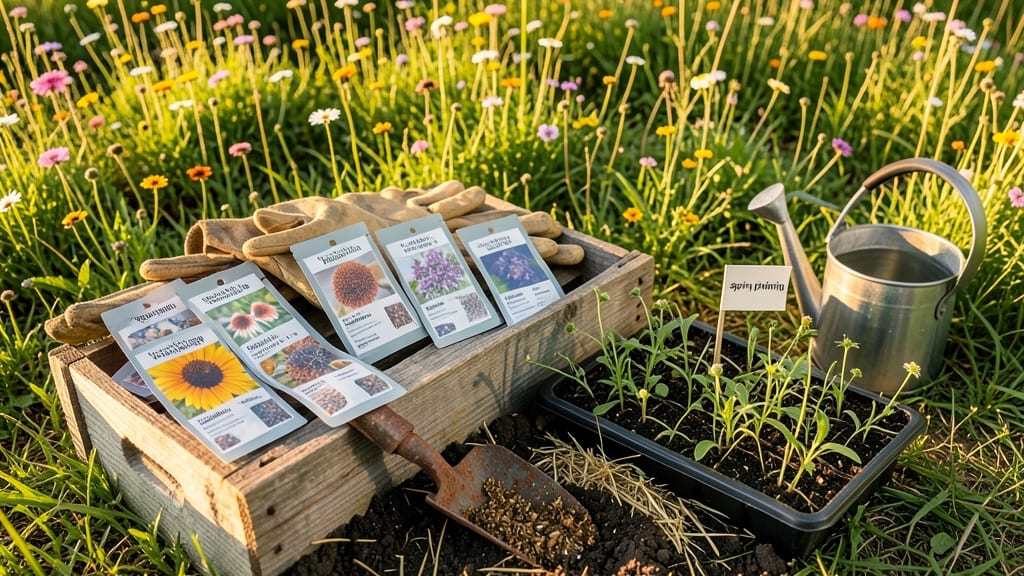
Planting wildflower seeds in Connecticut at the right time unlocks a season-long display of color and life—🌼—but miss the window, and you’ll end up with sparse blooms or wasted seeds.
Timing is everything when planting wildflower seeds in Connecticut—get it wrong, and you’ll miss vibrant blooms all season. Connecticut’s 5b-6b climate means frost can linger into mid-April or arrive as early as October, so knowing the exact window for your region is key.
Whether you’re dreaming of Black-Eyed Susans or Coneflowers, the best time to plant depends on whether you’re sowing annuals for quick color or perennials for long-term beauty.
Spring and fall are your two best bets, but the exact dates shift depending on whether you’re in Hartford, New Haven, or the Litchfield Hills.
Below, I’ll break down the frost-date timeline for CT, the best wildflower varieties for your zone, and how to prep your soil for maximum success—so you can enjoy a meadow bursting with life by late spring.
Connecticut frost dates & wildflower seed planting windows by region
Connecticut’s diverse geography means frost dates vary dramatically—from the cooler highlands of Litchfield to the warmer coastal areas of Fairfield. Understanding these regional differences is key to timing your wildflower seed planting for maximum germination success.
Most wildflowers thrive when sown 4-6 weeks before the last frost or after the soil reaches 60°F.
Annual wildflowers like cosmos and zinnias can handle direct sowing after your area’s last frost, while perennials like coneflowers benefit from an early start. Fall planting (late August to September) is also ideal for many species, giving seeds time to establish roots before winter.
Let’s break down the exact frost dates and planting windows for Connecticut’s four key regions.
⚠️ Visual Element: Connecticut Wildflower Planting Timeline
For Hartford and New Haven, the optimal planting window begins in mid-March through mid-April, aligning with soil warming trends. In these regions, annual wildflowers like sunflowers can be direct-sown as early as March 15 if you use row covers for frost protection.
The Fairfield coast enjoys a 10-14 day earlier start than inland areas, making it ideal for early bloomers like black-eyed Susans.
If you’re planting perennial wildflowers, aim for late summer (August 15-September 15) to allow seeds to establish roots before winter. This timing works especially well for native species like milkweed and goldenrod, which thrive with a cool-season establishment period.
Remember, Connecticut’s first frost typically arrives between October 5 (Litchfield) and October 25 (Fairfield), so plan accordingly.
One critical strategy is to stratify seeds for fall planting—simulating winter conditions by chilling seeds for 4-6 weeks before sowing. This mimics natural processes and boosts germination rates for species like coneflowers and phlox.
For late summer planting, choose heat-tolerant varieties such as coreopsis or blanket flower, which handle Connecticut’s July-August heat waves better than others.
Always test your soil temperature before planting—most wildflower seeds need soil at least 55°F to germinate. Use a soil thermometer for accuracy, especially in early spring when temperatures fluctuate wildly. In Litchfield County’s cooler microclimate, wait until May 10 for most annuals to avoid frost damage.
Pro tip: Mark your calendar for the new moon phase in planting months—this aligns with traditional gardening wisdom for better seedling establishment. The new moon in April often coincides with Connecticut’s optimal planting window, making it a great time to sow spring-blooming varieties.
For urban gardeners in New Haven, consider container planting—this extends your planting window by 2-3 weeks earlier in spring and 2 weeks later in fall, thanks to heat-retaining pots. Just ensure containers have drainage holes to prevent root rot during Connecticut’s unpredictable spring rains.
Finally, monitor local weather forecasts—Connecticut’s late spring frost risks can extend into May, especially in elevated areas like Torrington. If frost is predicted after sowing, cover seeds with straw or row fabric until temperatures stabilize.
With these regional guidelines, you’ll maximize your wildflower blooms from early summer to fall.
Best wildflower seed types for CT’s climate & when to plant them
Connecticut’s diverse climate—from coastal Fairfield County to inland Litchfield—means you can grow a stunning wildflower meadow year-round with the right timing. Native species like black-eyed Susans and coneflowers thrive in CT’s USDA zones 5b-6b, but their planting windows differ dramatically.
Some varieties, like milkweed, need early spring sowing, while others, such as cosmos, can wait until late summer.
For best results, focus on cold-hardy annuals in early spring and heat-tolerant perennials in late summer. Connecticut’s last frost dates (typically mid-April) and first frosts (late October) create two prime planting seasons. Let’s break down the top wildflower seeds and their ideal planting times to maximize blooms all season long.
Cold-hardy annual/perennial
Planting Window: March 15–April 30 (spring) or August 1–September 15 (fall). Thrives in full sun and tolerates dry soil.
Perennial (long-lived)
Planting Window: April 15–May 15 (spring) or September 1–October 1 (fall). Prefers well-draining soil and 6+ hours of sun.
Drought-tolerant perennial
Planting Window: April 1–May 15 (spring only). Needs full sun and poor, dry soil—ideal for pollinators.
Heat-loving annual
Planting Window: June 15–July 31 (late summer). Self-seeds easily and blooms until first frost.
Native perennial (monarch host)
Planting Window: March 1–April 15 (spring). Tolerates wet soil and attracts butterflies.
If you’re planting in cooler inland regions like Hartford or Litchfield, prioritize early spring sowing (March–April) for cold-hardy varieties. In warmer coastal areas like New Haven or Fairfield, you can extend late summer plantings into early September for cosmos and other heat lovers.
Pro tip: Scatter seeds lightly—most wildflowers need sunlight to germinate, so avoid burying them deeper than ¼ inch. After sowing, gently rake the soil and water thoroughly to settle seeds into place. Mulch lightly with straw to retain moisture during CT’s unpredictable spring rains.
For a year-round blooming meadow, combine early spring plantings (like black-eyed Susans) with late summer sowings (such as cosmos). This strategy ensures continuous color from June through October, even in Connecticut’s variable climate.