
Plants
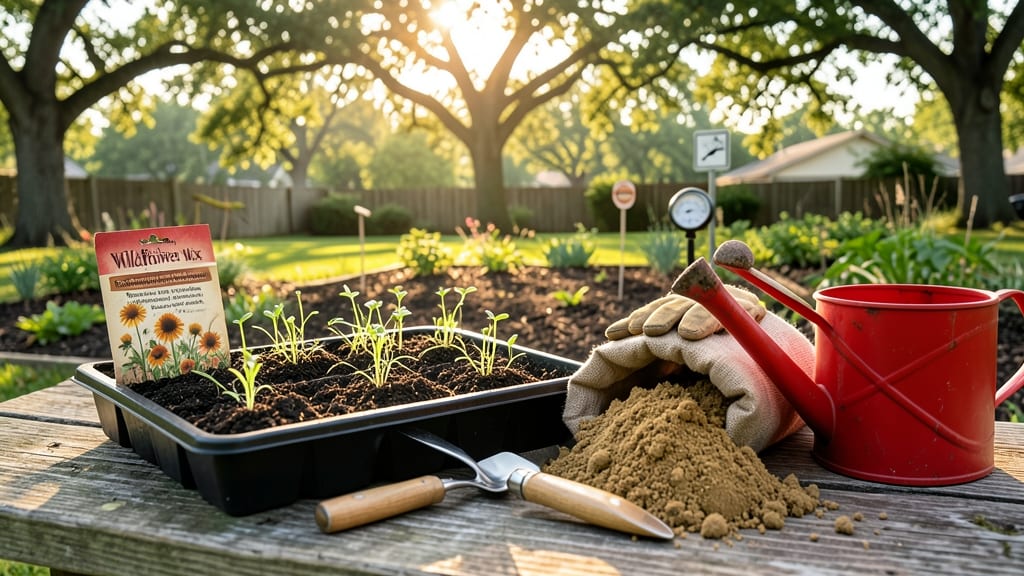
Planting wildflower seeds in Indiana at the right time ensures fast blooms and thriving native species like black-eyed Susans and coneflowers 🌼 — and timing depends on whether you're in northern 5b or southern 6b zones.
Picture this: you've prepped the soil, scattered your seeds, and then—BAM—a late frost wipes out your entire garden. That’s why nailing the planting window matters, especially in Indiana where spring can swing from icy to 70° in a week.
Most gardeners in zones 5b-6b get the best results by planting in late March to April for spring blooms or August to September for fall establishment.
But here’s the catch: northern Indiana’s last frost often hits April 15, while southern areas can push seeds into the ground two weeks earlier.
In this guide, I’ll break down the exact months for your zone, share soil prep secrets to beat Indiana’s clay-heavy dirt, and reveal the fastest-blooming wildflowers that outperform annuals. No more guessing—just vibrant blooms from seed to summer.
Indiana wildflower planting calendar by USDA zone (with frost risk alerts)
Timing your wildflower seeds correctly in Indiana means the difference between a vibrant meadow and wasted effort. The state spans USDA Zones 5a through 7a, where last frost dates can vary by weeks—especially between northern Zone 5a and southern Zone 7a.
Plant too early, and a late frost will wipe out your tender seedlings. Too late, and you’ll miss the optimal spring growth window for many native species.
Most Indiana gardeners achieve the best results by planting in either early spring (March-April) or late summer (August-September). Fall planting gives seeds time to establish roots before winter, while spring planting ensures blooms by summer.
For native species like black-eyed Susan, coneflower, and milkweed, timing also affects whether seeds need stratification (a cold period to break dormancy).
Below is your zone-specific planting calendar, including average last frost dates, ideal soil temperatures, and stratification needs for Indiana’s most beloved wildflowers. Use this as your guide to avoid common mistakes like planting too deep or ignoring microclimate variations (e.g., urban areas vs. rural fields).
| USDA Zone | Avg. Last Frost | Ideal Planting Window | Soil Temp (°F) | Stratification Needed? | Top Wildflowers |
|---|---|---|---|---|---|
| 5a (Northern IN) | April 20–May 5 | April 15–May 15 (spring) or Aug 1–Sept 15 (fall) | 50–60°F | Yes (cold-moist) | Black-eyed Susan, Coneflower, Milkweed |
| 5b (Central IN) | April 10–April 25 | April 1–April 30 (spring) or Aug 15–Sept 10 (fall) | 55–65°F | Partial (some species) | Butterfly Weed, Goldenrod, Aster |
| 6a (Southern IN) | March 25–April 10 | March 15–April 15 (spring) or Sept 1–Sept 20 (fall) | 60–70°F | No (or minimal) | Coreopsis, Phlox, Bee Balm |
| 7a (Extreme SW IN) | March 15–March 30 | March 1–March 31 (spring) or Sept 10–Sept 30 (fall) | 65–75°F | No | Sunflower, Zinnia, Salvia |
For Zone 5a gardeners in northern Indiana (e.g., Gary, South Bend), wait until after April 20 to plant spring wildflowers—earlier sowings risk frost damage to young shoots. In Zone 6a and 7a (e.g., Indianapolis, Evansville), you can push planting back to late March for faster blooms.
Always check a local frost map like the National Weather Service’s for real-time updates.
Soil temperature is just as critical as air temperature. Most wildflower seeds germinate best when soil reaches 50–60°F. Use a soil thermometer to confirm—cold, wet soil can delay germination by weeks.
For stratified seeds (like milkweed), mix them with moist sand and refrigerate for 30–60 days before planting. This mimics natural winter conditions and boosts germination rates by 30–50%.
Microclimates matter! Urban areas like Indianapolis often experience 2–3°F warmer soil temperatures than rural fields due to heat islands. If you’re in a microclimate pocket (e.g., near a lake or south-facing slope), you can plant 1–2 weeks earlier than the zone average.
Conversely, low-lying areas may need a 2-week delay to avoid frost pockets.
Pro tip: Mark your planting dates on a calendar and set reminders for watering schedules. Newly sown seeds need consistent moisture to germinate—aim for 1 inch of water per week until seedlings appear. Once established, most Indiana wildflowers are drought-tolerant, but early care makes all the difference.
Need a visual guide? Use the USDA Plant Hardiness Map to pinpoint your exact zone, then adjust your planting window by ±5 days based on recent frost history. For example, if your area had an early frost in 2023, shift planting 1 week later in 2024 as a precaut
Best wildflower seed types for Indiana’s spring vs fall planting
Choosing the right wildflower seeds for your Indiana garden depends on whether you prefer fast summer color or long-term pollinator support.
Annuals like cosmos and zinnias deliver vibrant blooms in 60-75 days, while perennials such as purple coneflower and butterfly weed establish slower but reward you with multi-year blooms and deer resistance. Let’s break down the best options for each planting season.
For spring planting, focus on fast-growing annuals that tolerate Indiana’s late frosts.
These varieties thrive when sown in March or April after the last frost date—typically around mid-April in most of the state. Cosmos and zinnias are top picks for impatient gardeners, offering non-stop color from summer through fall.
Fall planting (August–September) is ideal for perennial wildflowers like purple coneflower and butterfly weed, which establish roots before winter and bloom reliably for years. These natives also thrive with minimal care and attract pollinators, making them a win-win for Hoosier gardens. Plus, their deep roots help break up clay soil, a common challenge in Indiana.
If deer pressure is a concern, opt for butterfly weed and milkweed, which deer typically avoid. For drought tolerance, black-eyed Susans and coreopsis are excellent choices—they’ll survive with minimal water once established, making them perfect for Indiana’s hot, dry summers.
Just be prepared for a 1-2 year wait for full bloom potential.
For immediate impact, mix annuals and perennials in your seed blend. For example, sow cosmos and zinnias in spring for summer color, then add purple coneflower seeds in fall for next year’s blooms. This strategy ensures your garden stays vibrant year-round with minimal effort.
Pro tip: Always lightly rake seeds into the soil after sowing—this ensures good seed-to-soil contact and consistent germination. Avoid burying seeds too deeply, as most wildflowers need light to germinate. With the right mix, your Indiana garden will be a pollinator paradise in no time! 🌼