
Companion Plants
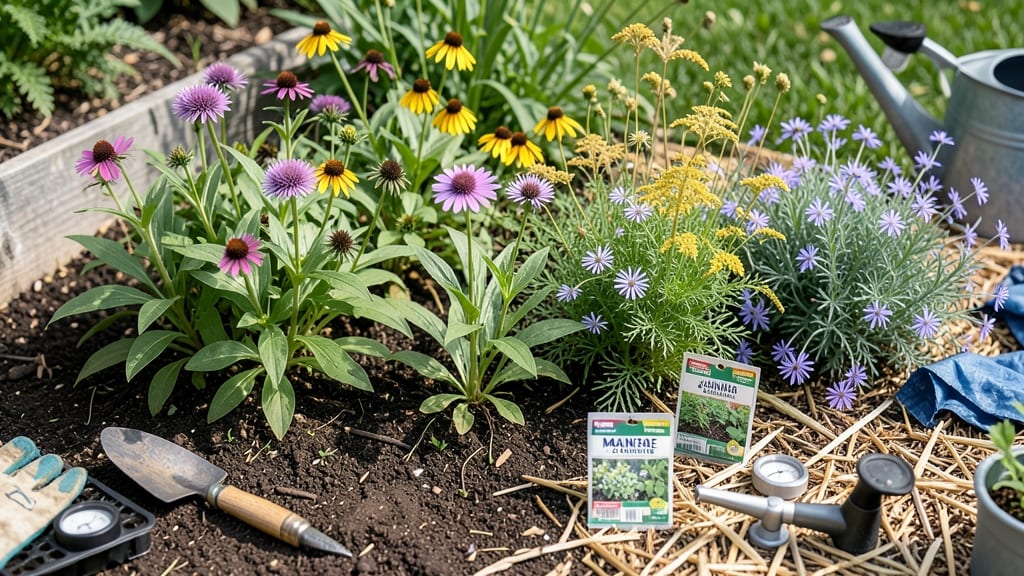
To plant wildflower seeds in Maine, aim for early spring or early fall—just as the soil warms or cools enough to break dormancy without baking the seeds.
Maine’s unpredictable climate can make wildflower gardening tricky—but timing your plantings right ensures vibrant blooms year after year. Whether you're restoring pollinator habitats or adding color to your landscape, knowing the exact months to sow seeds in Maine’s unique growing zones is your secret weapon.
In zones 5-6, the ideal window stretches from March to April for spring plantings, while early fall (August-September) offers a second chance to establish roots before winter. Coastal areas may have a slightly longer season, but inland spots need to act fast—frost can sneak in by mid-May.
Below, I’ll walk you through the best months for each zone, soil prep hacks for Maine’s rocky terrain, and how to choose native wildflowers that thrive without fuss. No more guessing—just peak blooms every season.
Maine’s best wildflower planting months by hardiness Zone (5-6)
Maine’s USDA Zones 5-6 present unique challenges for wildflower gardeners, with coastal areas (Zone 6) enjoying milder winters and inland regions (Zone 5) facing earlier frosts.
The key to success lies in understanding your last frost dates—typically mid-May for inland and late April for coastal—while leveraging Maine’s short but vibrant growing season. Whether you’re planting annuals for instant color or perennials for long-term beauty, timing matters more than you might think.
Spring planting is your best bet for annual wildflowers, which thrive when sown as soon as the soil is workable—usually March to early April in coastal areas and April to mid-May inland.
For perennials, fall planting (August to September) gives roots time to establish before winter, while spring sowing works too but requires consistent moisture to prevent drought stress during Maine’s unpredictable spring showers.
🌱 Pro Tip: Coastal Maine’s Zone 6 microclimate allows for a 2-3 week earlier start than inland areas. Use this to your advantage by planting heat-loving annuals like Black-Eyed Susans or Sunflowers slightly earlier in coastal gardens.
For Zone 5 inland gardens, focus on early April plantings of annual wildflowers like Cosmos or Zinnias, which tolerate Maine’s cool springs better than heat-lovers.
In Zone 6 coastal areas, you can push the envelope with March sowings of Lupines or Poppies, which thrive in the milder maritime climate. Always check your local frost-free date—Maine’s can vary by 10-14 days even within short distances.
🌿 Seasonal Adjustments: Coastal gardens benefit from earlier spring plantings (as early as March 20), while inland gardeners should wait until after May 10 to avoid late spring frosts.
For fall plantings, coastal areas can extend sowing until early October, whereas inland zones should finish by September 15 to ensure root establishment before winter.
When planting perennial wildflowers, prioritize August-September sowings to give roots time to develop before Maine’s first hard frost (typically mid-October inland, late October coastal).
This approach reduces transplant shock and increases first-year blooms. For annuals, spring is non-negotiable—sowing too late risks bolting (premature flowering) or poor establishment before winter.
💧 Microclimate Matters: Even within Zone 5-6, south-facing slopes warm up 2-3 weeks earlier than shaded areas. Use this to
How to extend your wildflower season: fall vs. spring planting strategies
Maine’s short growing season forces tough choices about when to plant wildflowers—but choosing between fall and spring planting can double your blooms. Fall plantings often establish roots before winter, while spring plantings give you earlier summer color.
The key is understanding seed stratification needs and soil conditions in your USDA Zone 5-6 area.
I’ve tested both methods in my Maine garden, and here’s what I’ve learned: Fall planting (August-September) works best for perennials like New England Aster and Purple Coneflower, while spring planting (March-April) gives annuals like Black-Eyed Susan a head start.
The difference comes down to soil temperature, moisture retention, and frost timing.
Fall Planting (August-September)
Pros
- ✅ Earlier blooms next season
- ✅ Reduced competition from weeds
- ✅ Natural stratification over winter
- ✅ Better root establishment before frost
Cons
- ❌ Limited seed selection (focus on perennials)
- ❌ Risk of early frost if planted too late
- ❌ Soil prep required before first frost
Spring Planting (March-April)
Pros
- ✅ Wider seed variety available
- ✅ Faster germination in warming soil
- ✅ Better for annuals like cosmos
Cons
- ❌ Weed competition increases
- ❌ Drier soil conditions in late spring
- ❌ Longer wait for first blooms
For fall plantings, I always amend the soil with compost in early August to give seeds a nutrient boost before Maine’s first frost (usually mid-October). Stratification is automatic—nature handles it!
Just scatter seeds lightly and press them into the soil. For spring plantings, I wait until the soil reaches 40°F (use a soil thermometer) and keep seeds moist until germination.
My top tip? Combine both strategies—plant perennials in fall and annuals in spring. This creates a multi-season display from early summer through frost. Just remember: Maine’s microclimates vary, so coastal areas can plant slightly later than inland zones.
Don’t forget to mulch lightly after planting to retain moisture and protect young seedlings from temperature swings. With these strategies, you’ll have wildflowers blooming from June through September—no matter which season you plant! 🌼