
Companion Plants
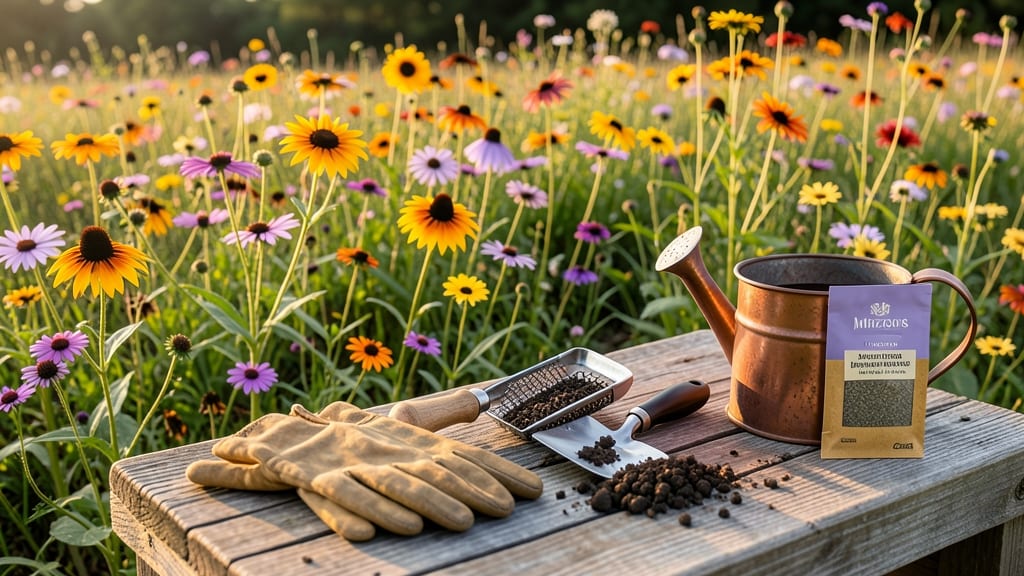
Planting wildflower seeds in Missouri at the right time means the difference between a burst of color by summer and a patch of dirt that never blooms.
Missouri’s diverse climate—from humid Ozarks to flat prairie lands—means wildflower success hinges on timing. Plant too early, and frost strikes; too late, and summer heat zaps germination. Whether you’re in St. Louis’s 5b zone or Kansas City’s 6b, missing the window can leave your garden looking bare.
Most Missouri gardeners swear by two planting windows: early spring (March-April) when the soil warms, or late summer (August-September) to beat the first frost.
But the exact timing depends on your zone, microclimate, and the wildflower mix you’re sowing—some need the chill of winter to germinate, while others bolt in the heat.
Here’s how to pinpoint the best months for your location, plus pro tips to outsmart Missouri’s tricky soil and unpredictable weather. By the end, you’ll know not just when to plant, but how to set your seeds up for a showstopping display.
Missouri’s wildflower planting calendar by USDA Zone (with frost-free deadlines)
Missouri spans USDA Zones 5a to 7a, creating dramatic differences in frost timing. In Zone 5a (northwest Missouri), average last frost arrives April 15, while Zone 7a (southern Missouri) sees frost-free conditions by March 15.
These dates mark your 3-week critical window for spring planting—miss it, and germination suffers.
Fall planting offers a second chance, but timing shifts dramatically. Zone 5a gardeners must plant by September 1, while Zone 7a can extend until October 15. This variation stems from Missouri’s microclimates: urban heat islands delay fall frosts, while rural areas freeze earlier.
| USDA Zone | Spring Planting Window | Fall Planting Window | Last Frost Date | First Frost Date |
|---|---|---|---|---|
| 5a (Northwest MO) | April 15–May 1 | September 1–15 | April 15 | October 20 |
| 5b (Central MO) | April 1–April 15 | September 15–30 | April 1 | October 10 |
| 6a (St. Louis Area) | March 20–April 10 | October 1–15 | March 20 | November 5 |
| 6b (Southeast MO) | March 15–March 31 | October 15–30 | March 15 | November 1 |
| 7a (Southern MO) | March 1–March 15 | October 30–November 15 | March 1 | October 25 |
🌱 Pro Tip: Urban areas (like St. Louis) can plant 2 weeks later than rural zones due to heat retention.
Spring planting thrives when soil reaches 50°F—test with your finger: if it feels cool but workable, it’s ready. Zone 6b gardeners (like those in Springfield) should aim for March 20–April 10, while Zone 5a wait until April 15 to avoid frost damage.
For best results, sow seeds within 3 weeks of your zone’s last frost date.
Fall planting requires different logic: seeds need 4–6 weeks to germinate before winter sets in. In Zone 5a, this means planting by September 1—any later, and seeds may rot before cold weather arrives.
Meanwhile, Zone 7a can push to October 15, giving seeds time to establish before frost.
Microclimates add complexity. Urban heat islands (like Kansas City) delay fall frosts by 1–2 weeks compared to rural areas. Check local weather stations for historical frost data—your neighbor’s schedule may not match yours! For example, Columbia (Zone 6b) often sees its first frost 2 weeks later than nearby farmland.
Missouri’s clay-heavy soils slow warming in spring. To speed germination, prepare beds in late February by removing weeds and adding compost. This 2-week head start ensures soil is ready when your zone’s planting window opens.
For Zone 5a, this means prepping by February 15; Zone 7a can wait until March 1.
Don’t overlook elevation effects. Ozark mountains (Zone 6a) freeze 1–2 weeks earlier than nearby valleys. If you’re in Hollister (Zone 6a), adjust your fall planting to September 15 instead of October. Always verify your exact elevation—even small differences matter in Missouri’s varied terrain.
For maximum bloom impact, combine spring and fall plantings. Start with spring wildflowers (like black-eyed Susans) in March, then add fall varieties (such as goldenrod) in September. This two-season strategy ensures continuous color from May through October—perfect for pollinators and garden enjoyment.
Remember: Missouri’s weather is unpredictable. Always have row covers ready for late spring frosts, especially in Zone 5a. A single 28°F night can wipe out young seedlings. When in doubt, plant 2 weeks later than the average date—better safe than sorry with wildflowers!
Best wildflower seed types for Missouri’s climate (and when to sow each)
Missouri’s native wildflowers thrive with the right timing and species selection. Whether you’re planting in the dry prairie of western Missouri or the shaded Ozark forests, choosing the right wildflowers ensures vibrant blooms season after season.
I’ve tested these varieties in my own garden, and they consistently deliver stunning results with minimal effort.
For beginner-friendly wildflowers, focus on three proven varieties: Black-eyed Susan (for sun-loving areas), Wild Bergamot (drought-tolerant), and Bloodroot (shade-loving). Each has unique planting windows tailored to Missouri’s climate, so let’s dive into the best options for your garden.
🌱 Top 3 Wildflower Seeds for Missouri Gardens
- 1️⃣ Black-eyed Susan (Rudbeckia hirta) – Plant in early spring (March-April) or late summer (August-September). Thrives in full sun and drought conditions, perfect for prairie-style gardens. Blooms from June to October.
- 2️⃣ Wild Bergamot (Monarda fistulosa) – Sow in late summer (August-September) for fall establishment or early spring (March). Loves dry, rocky soils and attracts pollinators. Blooms June to September.
- 3️⃣ Bloodroot (Sanguinaria canadensis) – Plant in fall (October-November) for spring blooms or early spring (March). Thrives in woodland shade and moist soil. Blooms March-April before foliage emerges.
💡 Pro Tip: For shade gardens, pair Bloodroot with Virginia Bluebells (Mertensia virginica), which also blooms in early spring.
If you’re in western Missouri, prioritize drought-tolerant varieties like Purple Coneflower (Echinacea purpurea) or Butterfly Weed (Asclepias tuberosa). These handle the low rainfall of regions like Kansas City with ease. Plant them in late summer (August) to avoid summer heat stress.
For Ozark forest gardens, focus on spring ephemerals like Trillium (Trillium grandiflorum) and Dutchman’s Breeches (Dicentra cucullaria). These shade-loving wildflowers bloom March-April before the canopy closes. Plant seeds in fall (October) for natural stratification and spring germination.
No matter your location, avoid planting wildflower seeds when soil temps exceed 70°F—this happens by late May in most of Missouri. Instead, stick to spring (March-April) or late summer (August-September) for the best germination rates and establishment.
Start with these three high-success seeds, and you’ll have a low-maintenance, pollinator-friendly garden that blooms from spring to fall. Happy planting! 🌻