
Companion Plants
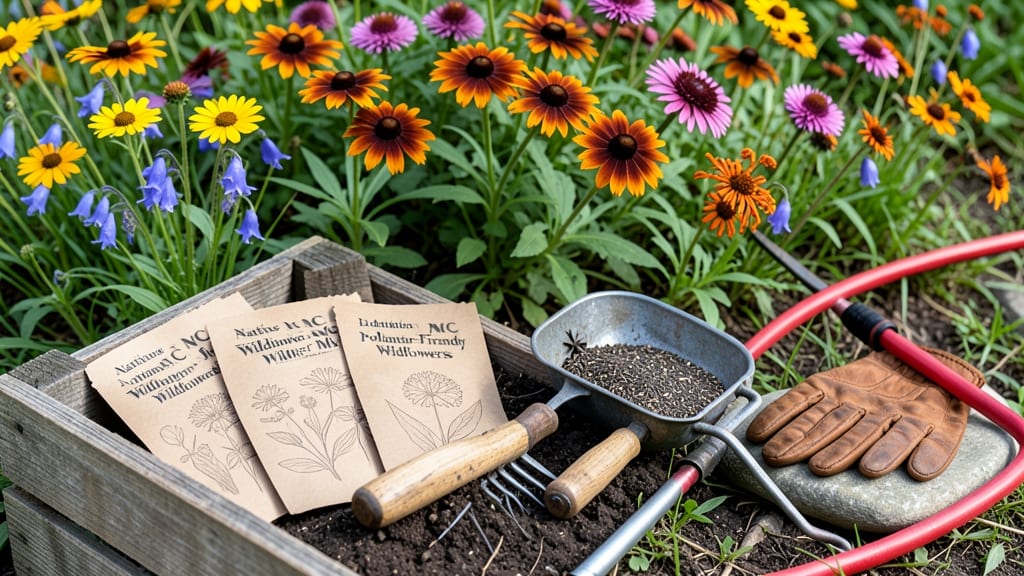
Planting wildflower seeds in North Carolina at the right time ensures vibrant blooms and thrives in your garden 🌼 — and the difference between spring and fall timing can mean everything.
If you’ve ever waited months for a patch of wildflowers to burst into color, only to find sparse blooms or weeds taking over, you know timing matters.
In NC’s USDA Zones 7b-8a, planting too early risks frost damage, while waiting too long can leave your meadow patchy or overrun by aggressive grasses.
Most wildflowers in this region prefer a late winter to early spring planting window (February to April), but some varieties—like Black-Eyed Susans and Coneflowers—also thrive when sown in late summer (August to September).
The key is aligning your planting with the last frost date and the natural growth cycle of your chosen species.
Below, I break down the best planting months for NC’s climate, the top native wildflowers for your zone, and the simple steps to ensure your seeds germinate and grow into a stunning, low-maintenance meadow.
Optimal wildflower planting windows in NC’s USDA Zones 7b-8a
North Carolina’s USDA Zones 7b-8a offer two prime windows for planting wildflower seeds: early spring and fall. Each timing aligns with your local climate’s natural rhythms, ensuring better germination and stronger blooms.
In Zone 7b, expect last frost dates around March 15, while Zone 8a typically sees frost-free conditions by February 28. Planning ahead avoids frost damage and maximizes your meadow’s potential.
For cool-season wildflowers like Bluebonnet or Violet, aim for February to early April. These varieties thrive in cooler temperatures and establish roots before summer heat arrives. In contrast, warm-season species, such as Black-Eyed Susan or Coneflower, prefer late summer to early fall planting (August to September).
This timing lets seeds germinate in warm soil before winter dormancy.
Here’s how to align your planting with NC’s microclimates: Coastal areas (Zone 8a) have longer frost-free seasons, while Piedmont regions (Zone 7b) face earlier frosts. Adjust your schedule by 1-2 weeks based on elevation—higher areas may need earlier spring or later fall planting.
Always check your local NC State Climate Office for real-time frost forecasts.
🌱 Comparison Table: Wildflower Planting Windows in NC’s Zones 7b-8a
| Timing Window | Best For | Zone 7b | Zone 8a | Key Notes |
|---|---|---|---|---|
| Early Spring (Feb-Apr) | Cool-season wildflowers | March 15-April 15 | February 28-March 30 | Soil temps: 50-60°F; avoid late frosts |
| Fall (Aug-Sep) | Warm-season wildflowers | August 15-September 15 | August 1-September 10 | Soil temps: 60-70°F; 6-8 weeks before frost |
| Late Summer (Jul-Aug) | Annuals & fast growers | July 15-August 15 | July 1-August 10 | Quick germination; full sun required |
| Winter (Dec-Feb) | Perennials (stratified seeds) | December 1-February 15 | January 1-February 10 | Cold stratification mimics natural cycles |
In Zone 7b, prioritize March planting for cool-season varieties like Wild Bergamot or Butterfly Weed. These species need 60-70 days to establish before summer heat peaks. For Zone 8a, extend your window into late February—warmer microclimates allow earlier sowing.
Always test soil temperatures with a soil thermometer; ideal germination temps range from 50-70°F, depending on the species.
Preparing your site is just as critical as timing. Clear existing vegetation, loosen soil to 3-4 inches deep, and mix in compost for nutrients. Wildflowers thrive in well-draining soil, so avoid compacted or waterlogged areas.
After sowing, lightly rake seeds into the soil—most require light for germination—and water gently to settle them. A thin layer of mulch (straw or leaves) helps retain moisture without smothering seeds.
Monitor your meadow’s progress with weekly checks. In spring, expect sprouts in 7-21 days for fast germinators like Annual Phlox. Slower species, such as Purple Coneflower, may take 30-45 days.
Thin seedlings to 6-12 inches apart once they reach 2-3 inches tall to prevent overcrowding. This step ensures each plant gets adequate sunlight and nutrients for robust growth.
Fall-planted seeds benefit from natural winter stratification, a process that breaks seed dormancy. In Zone 8a, sow Black-Eyed Susan by September 1st to give roots time to establish before first frost (typically December 15th).
In Zone 7b, push planting to mid-September to avoid early frosts. Cover seeds with ¼-inch of soil or a light mulch to protect them during winter.
Don
Best wildflower species for NC’s climate and when to plant them
North Carolina’s diverse microclimates—from the Piedmont’s rolling hills to the coastal plain’s sandy soils—create perfect conditions for native wildflowers that thrive with minimal fuss. Choosing the right species and timing ensures vibrant blooms from spring through fall.
For Zone 7b-8a, I’ve narrowed down the top performers based on sunlight needs, soil tolerance, and bloom cycles.
Native wildflowers like Black-Eyed Susan and Purple Coneflower are drought-resistant once established, making them ideal for NC’s humid summers and mild winters. Planting at the right time—either early spring (March-April) or late summer (August-September)—gives seeds the best chance to germinate before extreme heat or frost.
Below, I’ve outlined the best species for your region, their ideal planting windows, and care tips tailored to NC’s climate.
Black-Eyed Susan is my go-to for NC’s Piedmont region because it thrives in average garden soil and blooms reliably from July to October. For coastal areas, where soil can be sandy, Coreopsis is a winner—its drought tolerance makes it perfect for low-maintenance gardens. Always plant seeds 1/4 inch deep and water lightly until germination, which typically takes 7-14 days.
If you’re aiming for a pollinator-friendly garden, Purple Coneflower and Butterfly Weed are must-haves. These native perennials attract bees, butterflies, and hummingbirds while requiring minimal care.
For shadier spots, like under pine trees, consider Wild Bergamot (Monarda fistulosa), which blooms from June to September and tolerates partial shade.
Pro tip: Fall planting (August-September) gives seeds time to establish roots before winter, while spring planting (March-April) ensures blooms the first year. Avoid planting in mid-summer heat, as seeds may dry out before germinating.
For best results, prepare your soil by removing weeds and loosening the top 2-3 inches to improve seed-to-soil contact.
Once established, most NC wildflowers need little watering—just 1 inch per week during dry spells. Mulch lightly with straw or pine needles to retain moisture and suppress weeds. With the right species and timing, you’ll enjoy colorful blooms year after year with almost no effort. 🌼