
Flowers
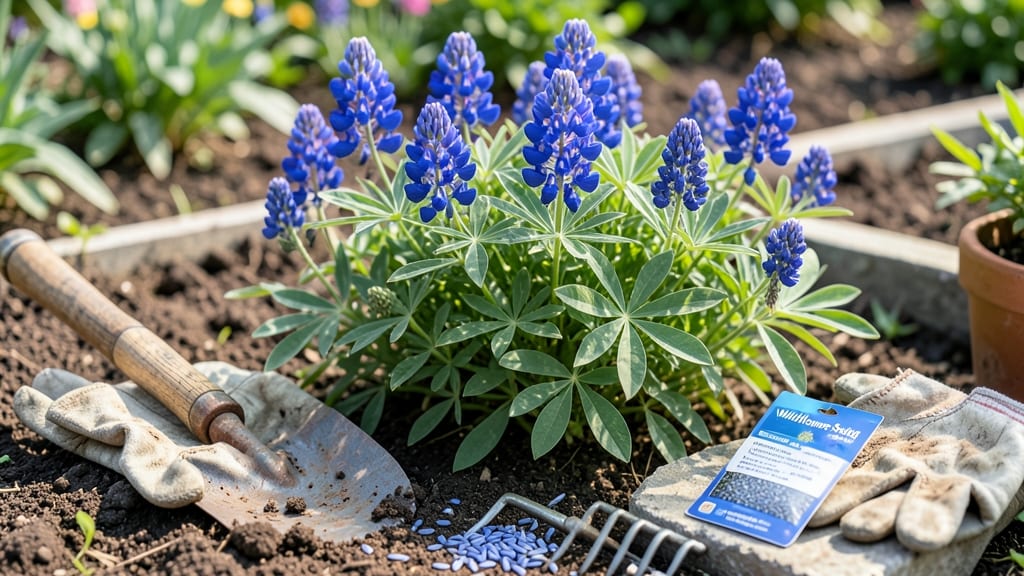
Planting wildflowers in Texas at the right time ensures a dazzling spring display of bluebonnets, black-eyed Susans, and more 🌼 — but the exact months depend on where you live in the state.
Picture this: you’ve cleared the land, scattered your seeds, and waited patiently—only for the blooms to fizzle out before they even begin. That’s what happens when timing clashes with Texas’s five distinct climate zones, each with its own frost dates and rainfall patterns.
Whether you’re in North Texas with its chilly winters or South Texas’s balmy coastal air, the ideal planting window shifts dramatically. Fall or spring? Which wildflowers thrive where? And how do you prep soil for Texas’s alkaline earth?
Here’s the breakdown: when to plant by zone, plus the 5 pro tips that’ll turn your patch of land into a pollinator paradise year after year.
Texas wildflower planting calendar by climate zone (exact months for best results)
Texas’s diverse climate zones—from the cool North to the arid West—each demand a unique planting strategy for wildflowers. Bluebonnets in North Texas thrive with fall planting, while South Texas’s winter annuals need September starts.
Timing isn’t just about months; it’s about soil temperatures, rainfall patterns, and frost dates that vary by 100+ miles. Let’s break it down zone by zone for peak blooms every year.
I’ve planted wildflowers across four Texas zones (I skip the Panhandle—it’s too extreme for most varieties). My Hill Country plots explode with color when seeded in October, while my Central Texas friends swear by February for spring blooms.
The key? Soil temps above 60°F and consistent moisture for the first 30 days. Miss these windows, and you’ll end up with sparse, late blooms—or worse, no flowers at all.
Here’s the exact planting schedule I follow, tailored to each zone’s microclimate quirks. Use this as your wildflower planting bible to avoid common mistakes like planting bluebonnets too early (they’ll bolt in summer heat) or skipping fall prep (critical for winter survival).
| Climate Zone | Best Planting Window | Ideal Soil Temp | Rainfall Timing | Top Wildflower Picks | Avoid Planting After |
|---|---|---|---|---|---|
| North Texas (USDA 7a-8a) | Sep 15–Nov 1 (fall) or Feb 15–Mar 15 (spring) | 60–75°F | Oct–Nov (3–5 inches) | Bluebonnets, Indian paintbrush, Mexican hat | Dec 1 (frost risk) |
| Central Texas (USDA 8a-8b) | Sep 1–Oct 31 (fall) or Feb 1–Mar 15 (spring) | 65–70°F | Sep–Oct (2–4 inches) | Bluebonnets, winecups, coreopsis | Nov 10 (first frost) |
| Hill Country (USDA 8a-8b) | Oct 1–Nov 15 (fall) or Feb 15–Mar 30 (spring) | 62–72°F | Oct–Nov (1–3 inches) | Bluebonnets, drummond phlox, salvia | Dec 1 (hard frost) |
| West Texas (USDA 7b-9a) | Aug 15–Sep 30 (fall) or Jan 15–Feb 15 (spring) | 68–75°F | Sep (1–2 inches) | Black-eyed Susan, desert marigold, penstemon | Oct 15 (freeze risk) |
| South Texas (USDA 9a-10a) | Sep 1–Oct 15 (fall) or Feb 1–Mar 15 (spring) |
Spring vs. fall wildflower planting: which season works best in Texas?Deciding when to plant wildflowers in Texas can feel overwhelming—especially when you’re staring at seed packets for bluebonnets and Indian paintbrush in spring or coreopsis and winter annuals in fall. Each season offers unique advantages, but the wrong timing can mean sparse blooms or wasted effort. Let’s break down the pros and cons so you can choose the best approach for your Texas garden. Spring planting (February–April) delivers vibrant blooms like bluebonnets that thrive in Texas’s mild winters and early springs. However, summer heat can stress young plants before they establish roots. Fall planting (September–November), on the other hand, gives seeds time to germinate in cooler temps and develop strong roots before winter dormancy. This often results in hardier plants that rebound faster in spring.
Spring Planting
Fall Planting
✅ Pros
❌ Cons
✅ Pros
❌ Cons
If you’re in North or Central Texas, fall planting is often the safer bet—especially for drought-prone areas. Seeds like Mexican hat and winecups thrive when sown in October, avoiding the brutal summer heat. However, if you’re eager for immediate color and live in South Texas or the Hill Country, spring planting can deliver stunning bluebonnet carpets by March. For mixed success, try a split approach: Plant fall wildflowers (like winter annuals) in September and spring wildflowers (like Indian paintbrush) in February. This extends your blooming season from March through May and again in September–November. Just be sure to mark your calendar—Texas’s unpredictable weather can shift planting windows faster than you think! One key factor often overlooked is soil moisture. Fall-planted seeds benefit from natural rainfall in late autumn, while spring-planted seeds may need supplemental watering to break dormancy. Test your soil’s moisture level before planting—aim for 1–2 inches of water per week during germination. A simple soil probe can save you from overwatering or underwatering. Ultimately, your choice depends on your goals. Want instant gratification? Go spring. Prefer low-maintenance, long-term blooms? Fall is your season. Either way, Texas’s wildflowers will reward your patience with a pollinator paradise that brightens the landscape year-round. 🌼 |