
Plants
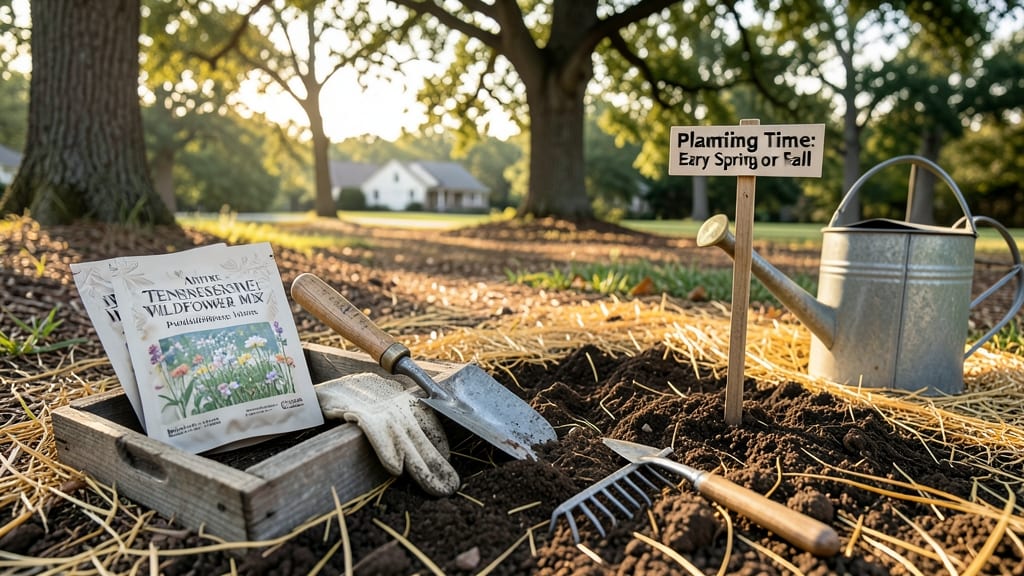
Planting wildflower seeds in Tennessee at the right time means the difference between a burst of color and a patch of dirt.
Tennessee’s diverse climate—from the Smoky Mountains to the Cumberland Plateau—means wildflower seeds planted at the wrong time can fail to thrive. Get the timing right, and you’ll unlock vibrant meadows with minimal effort.
Most gardeners in USDA Zones 6a-8a have two prime windows: late winter to early spring (February–April) or late summer to early fall (August–September). These periods align with soil moisture and temperature for fast germination.
Below, I’ll break down the best months by zone, soil prep secrets, and how to choose native species that bloom reliably year after year.
Best planting months for Tennessee wildflowers by USDA Zone
Tennessee’s USDA Zones 6a-8a create unique planting windows for wildflowers, where timing directly impacts germination rates and blooming success. Cool-season annuals like bluebonnets and sweet alyssum thrive when sown in late winter or early fall, while warm-season perennials such as black-eyed Susans prefer late spring planting.
Understanding your specific zone’s last frost dates is critical—plant too early, and seeds may rot; too late, and blooms arrive after summer’s peak.
In Zone 6a (eastern Tennessee mountains), aim for March-April or August-September plantings to avoid spring frosts and summer drought stress. Zone 7a (Middle Tennessee) gardeners have a slightly longer window—February-March or late August—while Zone 8a (western Tennessee) can plant as early as January or push into October.
Native wildflowers like coreopsis and coneflowers benefit from staggered sowing to extend seasonal color.
Fall planting offers cooler soil temperatures and reduced weed competition, making it ideal for perennial wildflowers that need time to establish roots before winter. Spring planting, however, gives annuals a head start for summer blooms.
The key is moisture consistency—seeds need constant dampness for 2-4 weeks post-planting, whether you’re sowing in spring’s occasional rains or fall’s reliable humidity.
Native Tennessee wildflowers often have dormancy periods that align with natural rainfall cycles. For example, purple poppy mallow thrives when planted in late summer, taking advantage of September showers before winter dormancy. Meanwhile, wild indigo seeds germinate best in spring’s warming soil, around April 15 in most zones. Always check seed packet instructions, as some varieties require stratification (cold treatment) for successful germination.
🌱 Tennessee Wildflower Planting Guide by USDA Zone
| Zone | Best Spring Planting | Best Fall Planting | Key Considerations |
|---|---|---|---|
| 6a (Eastern TN) | March 15 - April 15 | August 20 - September 15 | Avoid late frosts; use row covers if needed |
| 7a (Middle TN) | February 20 - March 30 | August 1 - September 10 | Longer growing season; staggered planting extends blooms |
| 7b (Central TN) | February 1 - March 15 | July 30 - September 5 | Hot summers; prioritize drought-tolerant species |
| 8a (Western TN) | January 15 - February 28 | October 1 - October 15 | Mild winters; can plant almost year-round |
💡 Pro Tip: Use a seed germination mat in cooler zones to jumpstart spring plantings.
For annual wildflowers, focus on spring planting (March-April) to ensure blooms appear by summer’s peak.
Species like cosmos and zinnias germinate quickly in warm soil and reward gardeners with non-stop color until frost. Perennial wildflowers, however, benefit from fall planting—their deep roots establish before winter, giving them a competitive edge against weeds in spring.
If you’re planting in Zone 6a or 7a, consider protective measures like straw mulch (2-3 inches) to insulate seeds during unpredictable spring frosts.
In Zone 8a, where winters are milder, you can extend planting into late fall, but avoid sowing after October 15 to prevent winter germination followed by spring frost damage. Always test your soil’s moisture retention—Tennessee’s clay-heavy soils can suffocate seeds if overwatered.
Native wildflowers like butterfly milkweed and partridge pea have adapted to Tennessee’s climate, making them low-maintenance choices. These species often self-seed if left undisturbed, creating long-lasting meadows with minimal replanting.
For maximum biodiversity, mix 3-5 wildflower varieties in each planting—this ensures continuous blooms from spring through fall and supports local pollinators year-round.
Remember that seed viability decreases after 2-3 years, so always use f
How to prepare Tennessee soil and seedbeds for wildflower success
Tennessee’s clay-heavy soils and variable rainfall can challenge wildflower germination, but with the right prep, you’ll create an ideal seedbed. The key? Breaking up compaction, improving drainage, and timing moisture for optimal seed contact.
I’ve learned that native wildflowers thrive when soil mimics their natural habitats—loose, well-drained, and free of weeds.
Start by testing your soil’s pH level (aim for 6.0–7.0, neutral to slightly acidic). Tennessee’s clay soils often retain too much moisture, so amending with organic matter like compost or aged manure is critical.
This improves aeration and water retention without suffocating seeds. I’ve found 1–2 inches of compost mixed into the top 6 inches of soil works best for most wildflower mixes.
After preparing the seedbed, water deeply but infrequently—aim for 1 inch of water per week during germination. Overwatering can wash seeds away or cause fungal issues.
I’ve seen wildflower mixes fail when seeds are buried too deeply; scatter them lightly and press into the soil with a board or rake for gentle contact.
For clay-heavy areas, consider creating raised beds or mounding soil to improve drainage. Native wildflowers like black-eyed Susans and purple coneflowers tolerate poor soil but need good airflow.
Avoid fertilizers high in nitrogen, which promote leafy growth over blooms. A balanced 5-10-10 fertilizer applied lightly after germination encourages strong roots and vibrant flowers.
Finally, monitor for weed competition, especially in the first 6–8 weeks of growth. Hand-pulling weeds is easiest, but a light mulch layer suppresses growth without smothering wildflowers. With the right prep, your Tennessee wildflower meadow will establish quickly and reward you with season-long color.