
Flowers
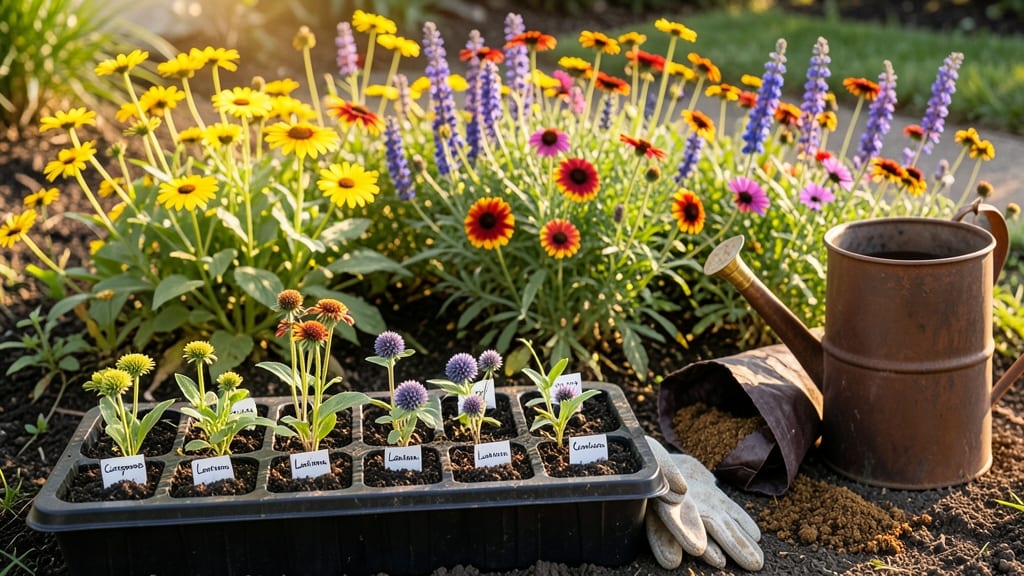
Planting wildflowers in Florida at the right time means the difference between a year-round riot of color and a patchy, weed-choked disappointment.
Florida’s mild winters and long growing season make it a paradise for wildflowers—but planting at the wrong time can mean sparse blooms or invasive weeds. Timing your wildflower seeds correctly ensures vibrant meadows year-round, from frost-sensitive natives to heat-loving perennials.
If you’ve ever scattered seeds in the dead of summer only to watch them bake before sprouting, or planted too late in fall and missed the sweet spot for spring blooms, you know how critical the calendar is.
The key is matching your wildflowers to Florida’s three distinct frost zones, where North Florida gets rare chills and South Florida stays frost-free.
Below, I’ll break down the best months to plant for each zone, which wildflowers thrive when, and how to prep your soil so your meadows burst with color—without the guesswork.
Florida wildflower planting calendar by frost zone and season
Florida’s three distinct frost zones—North, Central, and South—create unique planting windows for wildflowers. Unlike northern states, Florida’s mild winters allow year-round blooms, but timing still matters to avoid heat stress or missed germination.
I’ve broken down the best months for annuals, perennials, and native wildflowers based on local frost dates and seasonal rainfall patterns.
In North Florida (Zones 8a-8b), light frosts can occur in January and February, while Central Florida (Zone 9a) rarely sees frost, and South Florida (Zones 10a-11) stays frost-free year-round.
This means your planting strategy should shift from cool-season prep in the north to heat-tolerant species in the south. Let’s dive into the ideal calendar for each zone.
📅 Key Dates to Remember:
- North Florida: Last frost ~March 15, first frost ~November 15
- Central Florida: Rare frosts, but December-January can dip below 32°F
- South Florida: No frost risk; focus on summer heat tolerance
| Zone & Season | Best Planting Window | Wildflower Types | Key Considerations |
|---|---|---|---|
| North Florida (Zones 8a-8b) | Late August–September (fall) & March–April (spring) | Coreopsis, Black-Eyed Susan, Blanket Flower, Purple Coneflower | Avoid summer heat; fall planting beats drought |
| Central Florida (Zone 9a) | Year-round, but September–November (fall) & February–March (spring) ideal | Firewheel, Butterfly Milkweed, Goldenrod, Wild Bergamot | Stagger plantings for continuous blooms; watch for light frosts |
| South Florida (Zones 10a-11) | June–August (summer) & September–October (fall) | Blanket Flower, Mexican Sunflower, Lantana, Firecracker Plant | Prioritize heat/drought tolerance; avoid monsoon season (May–October) |
| All Zones | December–January (winter) | Native grasses (e.g., Muhenbergia), Winter Aloe | Perfect for cool-season germination; minimal competition |
For North Florida, I recommend focusing on fall planting (August–September) to establish roots before winter. This timing ensures wildflowers like Black-Eyed Susans and Coreopsis bloom vigorously in spring and summer, when temperatures rise. Spring planting (March–April) works too, but summer heat can stress young seedlings.
In Central Florida, the lack of consistent frost means you can plant year-round, but fall (September–November) is still optimal for most species.
This aligns with natural rainfall patterns, reducing the need for supplemental watering. Butterfly Milkweed and Wild Bergamot thrive when planted in fall, offering early spring blooms just as pollinators emerge.
South Florida’s tropical climate shifts the focus to summer and fall planting (June–October). Heat-loving wildflowers like Lantana and Firecracker Plant germinate best in warm soil, but avoid peak monsoon season (June–July) when heavy rains can wash away seeds. September–October offers ideal conditions with warm soil and incoming fall rains.
Regardless of zone, soil prep is critical. Clear debris, loosen the top 2–3 inches of soil, and mix in compost to improve drainage. Wildflowers thrive in well-draining soil, so avoid heavy clay areas unless amended.
A light 1/4-inch mulch layer helps retain moisture and suppress weeds without smothering seeds.
Pro tip: Stagger your plantings by 4–6 weeks to ensure continuous blooms throughout the year. For example, plant a third of your seeds in August, another in October, and the final batch in December.
This strategy creates a sequential display that attracts pollinators from early spring to late fall.
If you’re new to wildflowers, start small with native species, which require less water and maintenance. Florida-friendly wildflowers like Partridge Pea and Golden Asters not only support local ecosystems but also handle Florida’s humidity and heat like champions. These plants often self-seed, reducing future planting efforts.
Remember, watering is key during the first 4–6 weeks after planting. Keep soil consistently moist (not soggy) to encourage germination. Once established, most Florida wildflowers are drought-tolerant, but young plants need regular moisture to compete with weeds. A drip irrigation system or soaker hose makes this easier than hand-watering.
With the right timing and a little planning, your Florida wildflower meadow can bloom year-round, turning your garden into a pollinator paradise and a vibrant showcase of native beauty. 🌼
Best wildflowers for Florida’s climate by planting time
Florida’s unique climate lets you enjoy wildflowers nearly year-round, but each season offers different opportunities for vibrant blooms. Spring planting kickstarts growth with Florida’s first warm rains, while fall planting takes advantage of cooler temperatures and reduced competition from weeds.
Even winter planting works in frost-free zones, with some species thriving in mild conditions.
Native wildflowers are my top recommendation—they’re adapted to Florida’s humidity and heat, require less water once established, and provide critical habitat for butterflies and bees. Non-native options can add color, but they may need more maintenance.
Let’s dive into the best wildflowers by planting season to maximize your garden’s beauty and ecological benefits.
🌱 When to Plant Wildflowers in Florida
- 🌸 Spring (February–April): Ideal for annuals like cosmos and sunflowers. Plant after last frost (usually mid-March in North Florida) for rapid growth.
- 🍂 Fall (September–November): Best for perennials like black-eyed Susans and native milkweed. Cooler temps improve germination rates.
- 🌿 Winter (December–January): Limited options, but winter aconite and snapdragons thrive in frost-free zones. Avoid planting in Central/North Florida if frost is forecasted.
- 💧 Watering Tip: Keep soil moist but not soggy for 4–6 weeks post-planting. Florida’s summer heat can dry soil quickly.
- ☀️ Sunlight Needs: Most wildflowers need 6+ hours of sun daily. Partial shade works for wild columbine in hotter zones.
For spring planting, focus on fast-growing annuals like Mexican sunflower (Tithonia rotundifolia) and blanket flower (Gaillardia pulchella). These thrive in Florida’s heat and attract pollinators within weeks.
Scatter seeds directly into well-prepared soil—no need for transplanting. Just rake lightly to cover seeds and water gently to avoid washing them away.
Fall is my favorite time to plant wildflowers because the soil stays warm while air temperatures cool. Native perennials like partridge pea (Chamaecrista fasciculata) and coreopsis establish strong roots before winter.
These plants are drought-tolerant once mature, making them low-maintenance choices for Florida gardens. Plus, they return year after year with minimal care.
Winter planting is trickier but possible in South Florida’s frost-free zones. Opt for cool-season wildflowers like wild bergamot (Monarda fistulosa) or blue-eyed grass (Sisyrinchium angustifolium).
These handle Florida’s mild winters beautifully and bloom early in spring. In North Florida, skip winter planting unless you’re using a greenhouse or protected area.
Don’t overlook staggered planting for continuous blooms. Mix early spring bloomers like lupine with late summer favorites such as goldenrod. This ensures your wildflower meadow stays colorful from March through November. Just remember: native species are the easiest and most rewarding choice for Florida gardens.
Pro tip: Mulch lightly after planting to retain moisture and suppress weeds. Use pine straw or shredded leaves—both work well in Florida’s climate. Avoid thick layers, as wildflowers need sunlight to germinate.
With the right timing and species, your wildflower garden will thrive year-round, turning your outdoor space into a pollinator paradise. 🌼