
Flowers
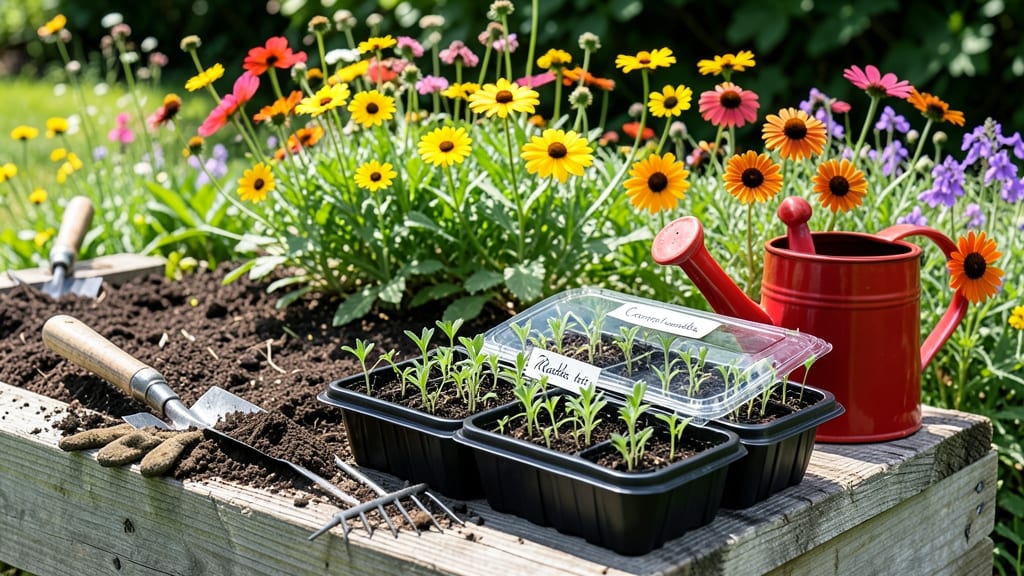
Planting wildflowers in North Carolina at the right time ensures fast blooms and thriving meadows, whether you're in the mountains or along the coast.
North Carolina’s diverse climate—from the mountains to the coast—means wildflower planting timing can make or break your blooms. Miss the window, and you might end up with sparse patches or no flowers at all.
For fast, vibrant displays, focus on late winter to early spring (February–April) or late summer to early fall (August–October), when soil temperatures and moisture align perfectly for germination.
Below, I break down the exact months by USDA zone (6a–8b), soil prep secrets, and regional tweaks to turn your wildflower dreams into a long-lasting reality.
Exact wildflower planting months by NC USDA zone (7a to 8b)
North Carolina’s USDA zones 7a through 8b create unique microclimates, meaning your wildflower planting timeline should match your exact location. Whether you’re in the coastal plains or mountain regions, timing directly impacts germination rates and bloom success.
For example, zone 7a gardeners have a shorter window than zone 8b due to earlier frosts in the mountains.
Most native wildflowers—like black-eyed Susan, coneflower, and milkweed—thrive when planted either in early spring (after frost risk passes) or late summer (for fall blooms). The key is avoiding extreme heat or cold during germination, which can be as short as 7-14 days for some species.
| USDA Zone | Spring Planting Window | Fall Planting Window | Key Species | Germination Deadline |
|---|---|---|---|---|
| 7a (Mountains) | March 15 – April 15 | August 15 – September 15 | Black-eyed Susan, Coneflower, Milkweed | April 30 (last frost) |
| 7b (Piedmont) | March 1 – April 30 | August 1 – October 1 | Coreopsis, Butterfly Weed, Goldenrod | May 15 (last frost) |
| 8a (Coastal Plains) | February 15 – April 15 | July 15 – September 30 | Lantana, Blanket Flower, Purple Coneflower | April 1 (last frost) |
| 8b (Southeast NC) | February 1 – March 31 | July 1 – October 15 | Salvia, Joe Pye Weed, Zinnias | March 15 (last frost) |
Note: Coastal areas may have earlier spring planting windows due to milder winters.
In zone 7a, where frosts linger until mid-April, focus on fall planting (August–September) for species like milkweed, which needs time to establish roots before winter.
Conversely, zone 8b gardeners can start seeds as early as February thanks to warmer winters, but avoid planting after March 15 to prevent heat stress.
For spring planting, aim to sow seeds 2-4 weeks before your last frost date. In zone 7b, this means late March, while zone 8a can start as early as mid-February. Use a seed scarification technique for tough-coated seeds like coreopsis to improve germination rates by 30-50%.
Fall planting is ideal for late-summer bloomers like blanket flower and zinnias. In zone 8b, you can extend planting into early October, but stop by September 15 in zone 7a to allow roots to establish before winter. Always water deeply after planting to encourage root growth.
Pro tip: Mulch lightly after planting to retain moisture and suppress weeds. Use straw or pine needles (avoid thick layers that block sunlight). This is especially critical in zone 7a, where winter winds can dry out soil quickly.
Native wildflowers like purple coneflower and butterfly weed are drought-tolerant once established, but they need consistent moisture during their first 6-8 weeks. In zone 8a, reduce watering to bi-weekly after the first month, while zone 7b may need weekly watering until roots take hold.
If you’re planting annual wildflowers like lantana, start seeds indoors 6-8 weeks before your last frost. Transplant seedlings outdoors after April 15 in zone 7a or March 15 in zone 8b. Harden off seedlings by placing them outdoors for 2-3 hours daily before full transplantation.
Remember: Soil temperature matters just as much as air temperature. Use a soil thermometer to confirm it’s above 60°F (15°C) before planting. In zone 7a, wait until mid-April for ideal conditions, while zone 8b can start as early as February.
Best wildflower species for NC seasons & how early to start seeds
North Carolina’s four distinct seasons create perfect conditions for wildflowers, but timing is everything. Spring-bloomers like black-eyed Susans thrive when planted in late winter, while fall favorites such as goldenrod need late summer sowing.
Choosing the right species for each season ensures continuous color and pollinator support from March through October.
For maximum blooms, start seeds 6-8 weeks before your last frost date. Coastal NC gardeners (Zone 8b) can begin indoor seed-starting in February, while mountain regions (Zone 7a) should wait until March. Direct sowing outdoors works too—just time it for soil temperatures above 60°F.
- 1 Spring Wildflowers (March-May): Plant coreopsis and bee balm seeds indoors in February or direct sow in March after frost. These sun-loving varieties bloom early, attracting butterflies and bees immediately.
- 2 Summer Wildflowers (June-August): Start coneflowers and milkweed indoors in April or direct sow in May. These drought-tolerant plants thrive in hot NC summers and support monarch butterflies.
- 3 Fall Wildflowers (September-November): Sow goldenrod and aster seeds directly in late summer (August) for fall color. These late-season bloomers provide nectar for migrating pollinators and add autumn interest.
- 4 Companion Planting Tips: Pair tall sunflowers with low-growing coreopsis to create vertical interest. Add clover or vetch as living mulch to suppress weeds and retain moisture in NC’s clay-heavy soils.
- 5 Native Species Advantage: Choose NC natives like purple coneflower or wild bergamot for low-maintenance gardens. These adapted plants require less water and pest control once established.
Pro tip: Stratify seeds for better germination. Place seeds in a moist paper towel in the fridge for 2-4 weeks before planting. This mimics NC’s natural winter chill and breaks seed dormancy for faster sprouting.
For long-lasting meadows, mix annuals (like cosmos) with perennials (such as black-eyed Susan). Annuals provide immediate color, while perennials return year after year. Mulch lightly with straw or leaves to retain moisture and reduce weeds—especially critical during NC’s dry summers.
Remember, pollinators love diversity. Plant in clusters of 3-5 plants per species to create visible "landing strips". Avoid pesticides entirely—wildflowers thrive when left undisturbed and chemistry-free. With the right timing and species, your NC garden will buzz with life from spring to fall! 🌼🐝🌻