
Flowers
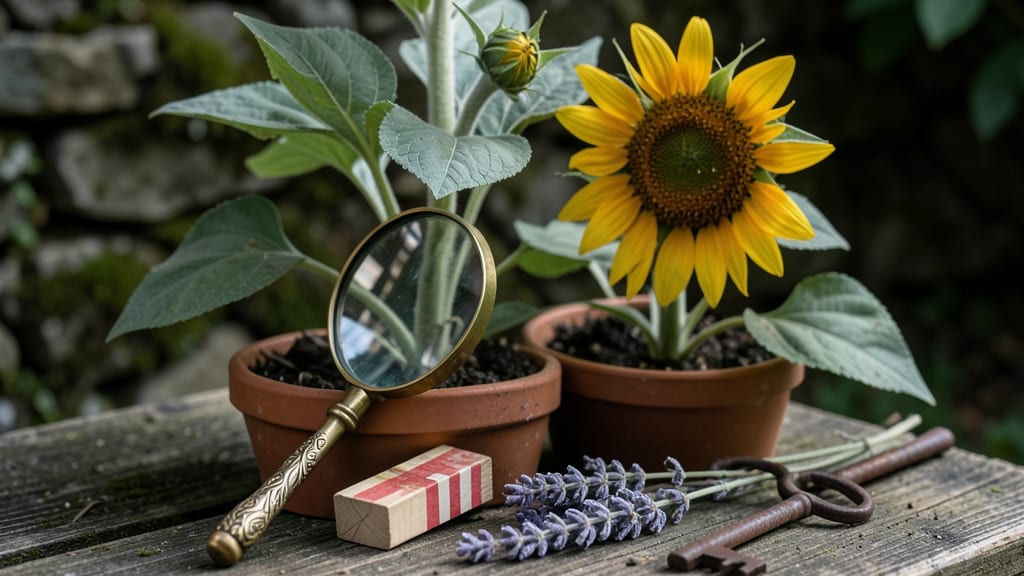
Sunflowers growing in shade still produce blooms — but their height and color may surprise you.
Picture this: your yard gets only dappled shade, and you’re tempted to skip the 🌻 altogether. But what if I told you some sunflowers not only survive but thrive in partial shade?
The trick is choosing the right variety and tweaking a few care habits. You’ll still get those iconic golden faces, just with a shorter stem and a little extra TLC.
Sunflowers are sun-hungry plants, but their tolerance for shade depends on how much light they actually receive. A spot with 3-4 hours of direct sun can work for dwarf varieties, while deeper shade may stunt growth or delay blooming.
The good news? With the right adjustments—like reflective mulch or companion planting—you can coax even leggy seedlings into producing flowers.
In this guide, I’ll walk you through the best shade-tolerant sunflower types, how to maximize their light exposure, and the common mistakes that turn shade into a growth killer. By the end, you’ll know exactly how to grow sunflowers in your shady patch—no full sun required.

Best sunflower varieties that tolerate shade or partial sun
Most gardeners assume sunflowers need full sun to thrive, but some varieties actually adapt well to partial shade or filtered light. While they won't reach their full height or bloom as dramatically, these shade-tolerant types can still produce colorful flowers and edible seeds with proper care.
The key is choosing the right cultivar and adjusting your growing approach.
Sunflowers in shade will typically grow 30-50% shorter than their full-sun counterparts, but many dwarf and mid-height varieties handle 3-6 hours of sunlight daily. These varieties are perfect for woodland gardens, container growing on patios, or spots under large trees where full sun isn't available.
Let's explore the best options for your shady garden.
Comparison Table: Sunflower Varieties for Shade or Partial Sun
The Teddy Bear and Sunspot varieties are my top recommendations for true shade gardens because they handle as little as 3 hours of sunlight daily. These dwarf types won't outcompete trees for light and produce cheerful blooms even in filtered light conditions.
For slightly sunnier spots with 4-6 hours of sun, consider Moulin Rouge or Autumn Beauty for more dramatic color displays.
When selecting varieties, prioritize those labeled as dwarf or semi-dwarf since they naturally require less light. Standard sunflowers (6+ feet tall) will struggle in shade and may become leggy or weak-stemmed. Always check seed packets for light tolerance notes—some hybrid varieties are specifically bred for low-light conditions.
For maximum success in shade, pair your sunflower variety with reflective mulch like white gravel or light-colored stones. This trick bounces extra light onto plant foliage, mimicking brighter conditions.
I've found that adding a 1-inch layer of reflective mulch around shade-grown sunflowers can increase bloom size by up to 25%.
Container growing is another excellent option for shade-loving sunflowers. Use large pots (12+ inches deep) with well-draining soil mix and place them in the sunniest spot available, even if it's just a few hours of morning light. Rotate containers weekly to ensure even light exposure on all sides.
Remember that shade-grown sunflowers will produce smaller blooms and may take longer to mature. However, their edible seeds will still develop if given proper care. For the best results, focus on soil fertility and consistent moisture—shade plants are more sensitive to dry soil conditions than their sun-loving counterparts.
If your shade is very dense (under trees), consider starting seeds indoors under grow lights and transplanting outdoors once they're 4-6 inches tall. This head start gives shade sunflowers a better chance to establish before competing with tree roots for nutrients.
With the right variety and a few light-enhancing tricks, you can enjoy sunflowers in shade gardens just like you would in full sun. The key is managing expectations—these plants won't reach their full potential, but they'll still bring color and joy to your garden even in challenging light conditions. 🌱
How to maximize sunflower growth in shady conditions
Sunflowers may crave sunlight, but they can still thrive in partial shade with the right adjustments. The key lies in optimizing what little light they receive and compensating with soil health, spacing, and companion planting.
Even in shady spots, you can coax taller stems and brighter blooms with these proven strategies.
First, focus on dwarf or semi-dwarf varieties like 'Teddy Bear' or 'Moulin Rouge,' which handle shade better than towering giants. These types grow 3-6 feet tall and produce vibrant flowers without demanding full sun.
Pair them with reflective surfaces like light-colored mulch or mirror panels to bounce extra light onto their leaves.
Next, prioritize well-draining, nutrient-rich soil by amending with compost and a balanced fertilizer (5-10-10). Shade-stressed plants rely on soil nutrients to compensate for reduced photosynthesis. Space seeds 12-18 inches apart to prevent competition for light and air circulation, which reduces disease risk.
Companion planting can work wonders—pair sunflowers with low-growing companions like marigolds or basil. These plants deter pests and improve airflow, while their shallow roots won’t compete with sunflowers. Avoid tall plants like corn, which will cast additional shade. Prune lower leaves regularly to reduce self-shading and encourage upward growth.
Water deeply but infrequently—shady sunflowers dry out slower than those in full sun. Aim for 1-1.5 inches of water per week, delivered in the morning to prevent fungal issues.
Mulch with straw to retain moisture and regulate soil temperature, which is crucial in low-light conditions where plants struggle to regulate heat.
Finally, rotate your sunflowers annually to avoid soil depletion and give them a fresh start in sunnier spots if possible. Even in shade, with these tweaks, you’ll see healthier stems and larger blooms than you’d expect. Patience and attention to detail make all the difference! 🌱