
Vegetables
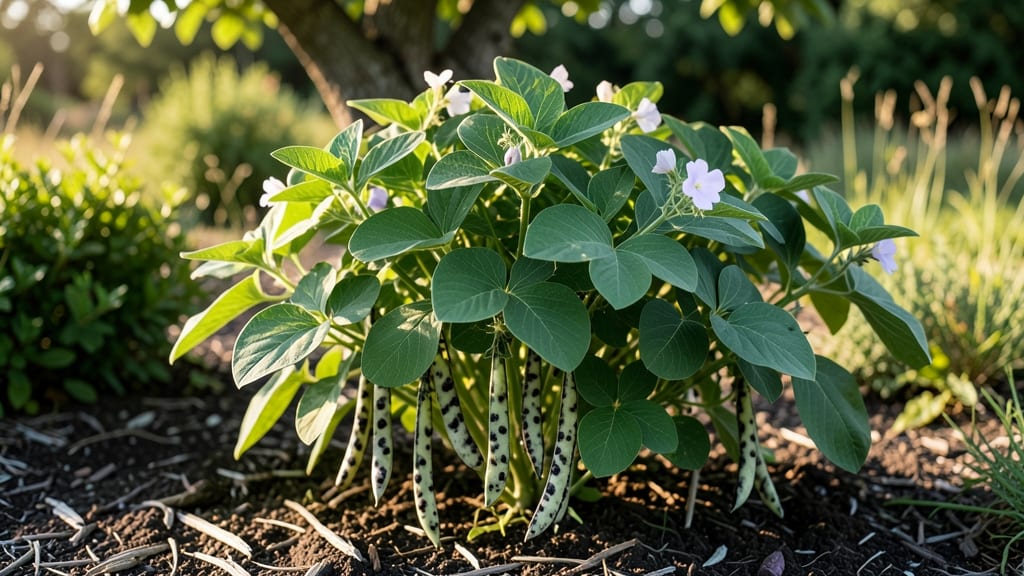
Growing yin yang beans means adding a frost-resistant, ornamental edible to your garden with almost no effort. 🌱 These striking plants thrive where most beans fail, producing unique black-and-white pods that double as food and decoration—ideal for tropical and subtropical climates where winters are mild.
The secret to their success lies in rich, well-draining soil and a sunny spot with at least 6 hours of sunlight daily. Unlike annual beans, these perennials return year after year, rewarding patience with lush foliage and eye-catching pods.
Even beginners can master their care with minimal watering and no fancy techniques. You'll harvest pods in 8-10 weeks that look like tiny yin-yang symbols, perfect for salads or dried decorations. The plants stay compact, making them great for containers or small gardens where space is limited.
Once established, they handle drought surprisingly well and resist common bean pests. Perfect for gardeners who want beauty without the fuss—just plant, watch, and enjoy the unique harvest.
📚 In This Guide
- What you need
- Instructions
- Tips and common mistakes
- Wrapping up and next steps
What you need
- ● Yin yang bean seeds – 10-20 seeds (or a small packet for beginners)
- ● Well-draining potting mix – 2-3 gallons (or enough to fill containers 6+ inches deep)
- ○ Garden soil or compost – Optional but recommended for nutrient-rich planting
- ● Containers or garden bed – Containers: 5-6 inch pots (1 per plant) OR
- ● Garden bed: Full sun (6+ hours/day) with loose, fertile soil
- ● Watering can or hose – With a gentle spray nozzle
- ○ Fertilizer (optional) – Balanced, low-nitrogen option (e.g., 5-5-5 or compost tea)
- ● Gloves – To protect hands while handling soil
- ● Trowel or small shovel – For transplanting seedlings
- ○ Mulch (optional) – Straw or shredded leaves to retain moisture
- ● Patience! 😉 – Yin yang beans are slow starters but thrive with minimal fuss
Step-by-step instructions for planting and maintaining yin yang beans
Here's how to grow these striking perennials with minimal effort—once established, they thrive on neglect.
🌱 Step 1: Choose the Perfect Location for Frost-Resistant Growth
Yin Yang beans love full sun to partial shade, tolerating 3-6 hours of direct light daily. I plant mine in USDA zones 3-9, where they survive winters without protection. Look for spots with well-draining soil—they hate soggy roots, which cause root rot.
These plants spread aggressively, so give them 3-4 feet of space between clusters. If your garden has heavy clay, amend the soil with 2-3 inches of compost before planting. The key is mimicking their native woodland edges—moist but never waterlogged.
🌿 Step 2: Plant in Early Spring or Fall for Best Establishment
Spring planting gives roots 6-8 weeks to establish before summer heat, while fall planting lets them settle before winter dormancy. Dig a hole twice as wide as the root ball but only as deep—burying too deep suffocates the crown.
Place the plant so the top of the root ball sits level with the soil surface. Backfill with native soil, then water deeply to eliminate air pockets. You'll see new growth within 2-3 weeks—that's your sign the roots have made contact.
☀️ Step 3: Water Deeply but Infrequently After Planting
Water once weekly for the first 4-6 weeks to encourage deep root growth, then taper to every 2-3 weeks once established. Yin Yang beans store water in their thick stems, so they tolerate drought better than most perennials.
Check moisture by sticking your finger 2 inches deep—if it feels dry, water slowly until moisture reaches 6 inches down. Overwatering is the #1 killer; these plants yellow when roots suffocate, not when they thirst.
✂️ Step 4: Prune in Late Winter to Encourage Bushy Growth
Cut back dead or damaged stems to the ground in late February or early March, just as new shoots begin to swell. This prevents disease and forces energy into fresh growth. I never prune more than ⅓ of the plant—they bounce back surprisingly well.
Remove any seed pods that appear in summer if you want to discourage self-seeding. The plants spread fast enough without extra volunteers. Watch for pale yellow leaves in summer—this signals powdery mildew, which you can prevent by spacing plants properly.
🪴 Step 5: Fertilize Lightly in Spring for Vigorous Blooms
Apply a balanced 10-10-10 fertilizer in early spring at half the recommended rate. Too much nitrogen makes them floppy and prone to disease. I swear by a 2-inch layer of mulch around the base to retain moisture and suppress weeds.
These plants are self-sufficient once established—don't overdo it. The black-and-white bicolor leaves are their signature, and they'll stay striking with minimal care. If you see brown leaf edges, it's usually a sign of underwatering, not over-fertilizing.
Tips & tricks for growing striking yin yang beans
These simple strategies will help you cultivate thriving, frost-resistant perennials that require almost no maintenance once established.
Lighting Strategy: If your garden receives less than 3-6 hours of direct sunlight, supplement with a grow light for 4-6 hours daily during their growing season. I've seen these plants thrive in partial shade, but the black-and-white foliage becomes less dramatic without adequate light. Position them near a south-facing window if container growing is your preference.
Planting Depth Secret: The root ball's top should sit level with the soil surface—never bury it. I learned this lesson the hard way when my first batch struggled to establish. Burying too deep suffocates the crown and prevents proper root development. If you're planting multiple clusters, create small mounds to ensure proper drainage and prevent water pooling.
Watering Wisdom: The 2-inch deep moisture check is your best friend. These drought-tolerant plants store water in their thick stems, so you'll notice they wilt slightly between waterings—that's normal. When you do water, do it deeply until moisture reaches 6 inches down. This encourages deep root growth that makes them resilient during dry spells.
Pruning Precision: When cutting back dead stems in late February or early March, look for the first signs of new growth—those tiny buds swelling at the base. This is your cue to prune just above them. I've found that removing only dead or damaged stems (never more than ⅓ of the plant) gives you the best balance of bushy growth and plant health.
Pro Tips for Yin Yang Beans
- These simple strategies will help you cultivate thriving, frost-resistant perennials that require almost no maintenan...
- Lighting Strategy: If your garden receives less than 3-6 hours of direct sunlight, supplement with a grow light for 4...
- Planting Depth Secret: The root ball's top should sit level with the soil surface—never bury it. I learned this lesso...
Frequently asked questions
Got questions about growing yin yang beans? You’re not alone—these unique, frost-resistant perennials are packed with charm but come with a few quirks. Here’s what you need to know:
What exactly are yin yang beans, and why are they called that?
Yin yang beans (Dolichos lablab) get their name from their striking black-and-white pods, resembling the classic yin-yang symbol. The beans themselves are edible (though some varieties are ornamental), and the plant thrives in warm climates but can tolerate light frosts—making it a low-maintenance, eye-catching perennial in the right zones.
Can yin yang beans survive winter in colder climates?
While they’re frost-resistant, yin yang beans aren’t true perennials in freezing zones (below USDA Zone 8). In colder areas, grow them as annuals or overwinter them indoors in pots. Mulch heavily in fall to protect roots, and consider a row cover for extra insulation during unexpected cold snaps.
How long does it take for yin yang beans to produce pods?
From seed to pod, expect 3–5 months in ideal conditions (warm soil, full sun). Fast-growing varieties may yield pods in as little as 8–10 weeks, but cooler temperatures or poor soil can delay harvest. Pro tip: Plant seeds directly in the ground after the last frost for the best results—transplants often struggle.
Are yin yang beans edible, and how do you prepare them?
Yes! The immature pods and beans are edible (similar to snap peas) and packed with protein and fiber. Harvest pods when 3–4 inches long and bright green. Cook like green beans—boil, steam, or stir-fry. Note: Some ornamental varieties (like ‘Purple Podded’) are decorative but inedible—always check your seed packet.
What pests or diseases should I watch for with yin yang beans?
These beans are generally pest-resistant, but keep an eye out for aphids (spray with soapy water) and bean beetles (handpick or use neem oil). Overwatering can lead to root rot, so ensure well-draining soil. Preventative tip: Rotate crops yearly to avoid soil-borne diseases like powdery mildew.
Can I grow yin yang beans in containers?
They thrive in 5-gallon pots or larger with drainage holes, making them perfect for patios or balconies. Use a lightweight potting mix and fertilize every 4–6 weeks. Just ensure the container gets at least 6–8 hours of sun daily—yin yang beans are sun-worshippers!
Wrapping up and next steps
Yin Yang beans are the ultimate low-maintenance, frost-resistant superstars for any garden—packing flavor, nutrition, and resilience into one easy-to-grow package! 🌱 Whether you're a seasoned gardener or a beginner, these beans prove that great harvests don’t require complicated care.
With minimal effort, you’ll enjoy fresh, homegrown pods for years to come.
Ready to give it a try? Start small—plant a few seeds this season and watch your garden transform! For even better results, join a local gardening community to swap tips or experiment with companion plants. Happy growing! 🌿✨