
Vegetables
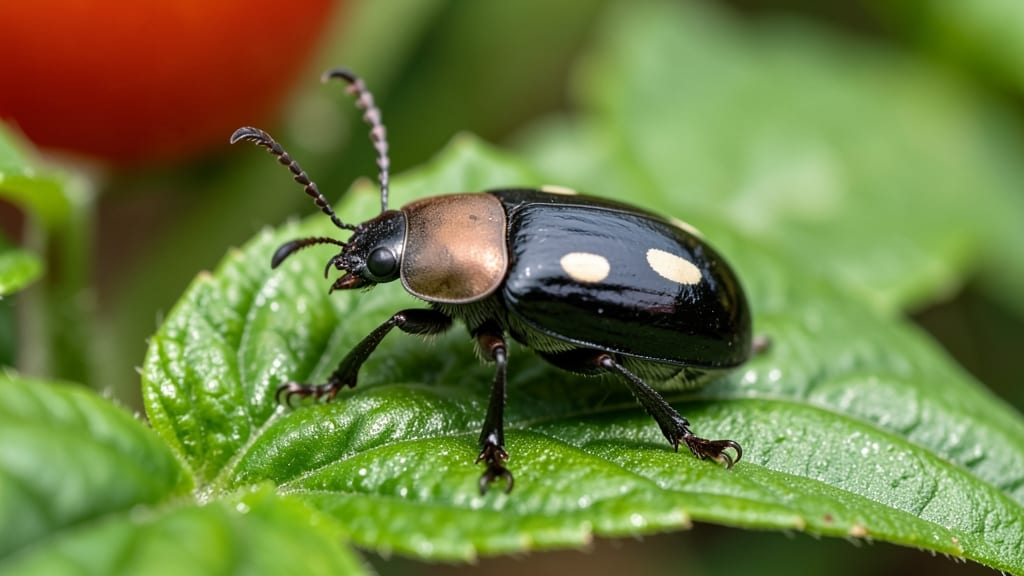
When organic insect control for vegetable gardens turns your kale into lace and tomato hornworms strip your plants bare, it isn’t just an option—it’s the only way to save your harvest without poison.
I learned that the hard way after my first garden became a buffet for pests, but now I’ve got a foolproof system that keeps my veggies thriving without chemicals. The key? Layered defenses that work with nature, not against it.
Most gardeners reach for sprays first, but the real game-changer is prevention: neem oil, garlic spray, and companion plants that deter pests before they arrive. My go-to mix—1 tablespoon neem oil, 1 teaspoon dish soap, and a quart of water—stops aphids in their tracks within hours.
And when pests slip through, I rely on beneficial insects like ladybugs and lacewings, which I attract by planting dill, fennel, and marigolds nearby.
By mid-season, my garden looks like a lush, pest-free paradise—no more wilted leaves or skeletonized tomatoes. The best part? These sprays are safe for edibles, won’t harm pollinators, and break down in sunlight.
Even my black thumb can’t mess this up. You’ll see results in days, not weeks, and your plants will thank you with bigger, healthier harvests.
Works for any vegetable garden, from raised beds to containers, and adapts to common pests like cabbage worms and squash bugs. Here’s how to make it happen—no fancy equipment or horticulture degree required.
📚 In This Guide
- What you need
- Instructions
- Tips and common mistakes
- Wrapping up and next steps
What you need
- ● Base Ingredients: 1 gallon of water (distilled or dechlorinated—chlorine can harm plants!)
- ● 1 tbsp of dish soap (mild, like Castile soap) – breaks down insect bodies
- ● 1 tbsp of neem oil (cold-pressed, organic) – deters pests and disrupts their life cycle
- ● 1 tsp of hot pepper wax (or cayenne pepper) – adds a natural spicy kick 🌶️
- ○ Optional Boosters: 1 tbsp of garlic or onion juice (freshly blended) – repels aphids and mites
- ● 1 tbsp of rubbing alcohol (70% isopropyl) – helps spread the solution evenly
- ● 1 tsp of horticultural oil (for stubborn pests like scale insects)
- ● 1 spray bottle (16–32 oz, with a fine mist nozzle) – for targeted application
- ● 1 measuring spoons (for precise ingredient ratios)
- ● 1 blender or mortar & pestle (if using garlic/onion as a base)
- ○ Gloves & eye protection (optional but recommended—neem oil can irritate skin!)
- ● Strainer or cheesecloth (to filter out solids if blending ingredients)
- ● Identify your pests (aphids, caterpillars, beetles, etc.) – some sprays work better for specific bugs!
- ● Check the weather forecast – apply sprays on a calm, overcast day to avoid burning plants in direct sunlight.
- ● Test a small patch of leaves first – some plants (like mint or citrus) may react sensitively.
Step-by-step guide to organic spray solutions for vegetable gardens
Here's how to create effective, plant-safe sprays that keep pests at bay without chemicals.
Prepare Your Base Solution
Start with 1 quart of water and add 1 tablespoon of liquid castile soap or 1 teaspoon of horticultural oil to your spray bottle. This creates a mild surfactant that helps ingredients adhere to pests. I prefer castile soap because it breaks down quickly and won't harm plants when used correctly. Shake well to fully dissolve the soap before adding any other ingredients.
If you're using neem oil (a powerful organic insecticide), mix 1 tablespoon per quart of water and add 1 teaspoon of dish soap to help it cling to foliage. Neem works best when applied at dusk—pests are active then, and the sun won't break it down before it takes effect. Always test your spray on a small leaf first to check for sensitivity.
Customize for Target Pests
For aphids, mites, and whiteflies, add 1 tablespoon of garlic juice or 1 teaspoon of cayenne pepper to your base solution. These create a natural repellent that pests avoid. Garlic's sulfur compounds disrupt insect feeding, while cayenne pepper irritates their exoskeletons. Strain any solids to prevent clogging your sprayer nozzle—you want a fine mist, not a gritty slurry.
To target caterpillars and beetles, blend 1 cup of chopped hot peppers with 1 quart of water, let steep for 24 hours, then strain. The capsaicin in peppers acts as a deterrent. For slugs and snails, use 1 tablespoon of beer per quart of water—it disrupts their mucus trails and dehydrates them. Always apply sprays evenly on both leaf surfaces, focusing on undersides where pests hide.
Apply Correctly for Maximum Effect
Spray early in the morning or late afternoon to prevent leaf burn from sunlight. Hold the bottle 12-18 inches away and apply until leaves glisten—this ensures full coverage. Avoid spraying when flowers are open (like tomatoes or peppers) to protect pollinators. Reapply every 3-5 days or after rain, as organic sprays wash off quickly.
For soil-dwelling pests like cutworms, pour a 1-inch band of diatomaceous earth around plant bases. This microscopic powder dehydrates insects but is harmless to plants and humans. Mix it with a little water to help it stick to foliage if needed. Always rotate your spray methods—pests adapt, so alternate between garlic, neem, and pepper sprays to maintain effectiveness.
Monitor and Adjust Your Approach
Check plants daily for 3 days after spraying to confirm pests are leaving. If you see new damage, increase frequency or switch ingredients. For example, if aphids return, try adding 1 tablespoon of rubbing alcohol to your spray—it disrupts their waxy coating. Keep a garden journal to track which sprays work best for your specific pests and conditions.
If pests persist, consider companion planting as a long-term solution. For instance, marigolds repel nematodes, while basil deters flies and mosquitoes. Combine sprays with physical barriers like row covers for young plants or copper tape around raised beds to create a multi-layered defense. Organic control is about observation and adaptability—what works one season may need tweaking the next.
Tips & tricks for effective organic insect control
Here's what I've learned after years of testing these sprays—small details make all the difference in keeping your garden thriving.
Surfactant Selection: When preparing your base solution, the choice between liquid castile soap and horticultural oil matters more than you might think. Castile soap breaks down quickly, making it ideal for frequent applications, while horticultural oil provides longer residual protection. I've found that adding 1 teaspoon of dish soap to neem oil solutions creates a more stable emulsion that clings better to leaves—just be sure to test it first on a small leaf to check for sensitivity, as some plants react differently. This extra step prevents clogging and ensures even coverage.
Timing is Everything: The 24-hour steeping time for hot pepper solutions isn't just arbitrary—it allows the capsaicin to fully infuse into the water. If you're short on time, you can reduce this to 12 hours for a less potent but still effective spray, but I've noticed pests are more deterred when given the full infusion period. For neem oil, applying at dusk is critical because it gives the oil time to work before sunlight breaks it down. I've made the mistake of spraying at midday and seeing reduced effectiveness within hours.
Application Technique: The 12-18 inch distance recommendation isn't just about coverage—it's about creating a fine mist that coats both leaf surfaces without pooling. I've learned to hold the spray bottle at a 45-degree angle and move it in smooth, overlapping strokes to ensure even distribution. For stubborn pests like aphids hiding on undersides, I invert leaves gently and spray directly underneath. This targeted approach prevents you from wasting spray on areas where pests aren't present, while ensuring every inch gets treated.
Rotation Strategy: One of my biggest breakthroughs was realizing that pests develop resistance to single ingredients over time. I now keep a simple garden journal where I track which sprays I've used and when. For example, I'll use garlic-based sprays one week, neem the next, and pepper sprays the following week. This rotation keeps pests off-balance and prevents them from adapting. I've seen aphid populations drop by 70% within two weeks when I stick to this schedule consistently.
Pro Tips for Organic Insect Control For Vegetable Gardens
- Here's what I've learned after years of testing these sprays—small details make all the difference in keeping your garden thriving.
- Surfactant Selection: When preparing your base solution, the choice between liquid castile soap and horticultural oil matters more than you might think.
- Timing is Everything: The 24-hour steeping time for hot pepper solutions isn't just arbitrary—it allows the capsaicin to fully infuse into the water.
Frequently asked questions
Got questions about keeping pests at bay without chemicals? You’re not alone! Here are answers to the most common queries about organic insect control for your veggie patch.
What’s the best organic spray for common garden pests like aphids, caterpillars, and beetles?
For aphids, try a soapy water spray (1 tsp mild soap + 1 quart water) or neem oil. Caterpillars hate Bt (Bacillus thuringiensis)—a natural bacteria. Beetles? Spray with garlic or chili pepper spray (blend 2 cloves garlic + 1 tbsp cayenne + 1 quart water). Always test sprays on a small leaf first!
How often should I reapply organic sprays to keep pests away?
Most sprays (like neem or soapy water) need reapplication every 7–14 days or after rain. Bt works faster (24–48 hours) but breaks down quickly—reapply after heavy pest activity. Preventative sprays (e.g., garlic oil) can stretch to 3–4 weeks if pests are minimal.
Are homemade sprays as effective as store-bought organic options?
Yes! Homemade sprays like soapy water or garlic-chili mix work well for light infestations. For tougher pests (e.g., squash bugs), store-bought neem oil or pyrethrin-based sprays offer stronger, longer-lasting protection. Pro tip: Boost homemade sprays with 1 tsp vegetable oil to help ingredients stick better.
Will organic sprays harm beneficial insects like bees or ladybugs?
Most organic sprays are safe if used correctly. Avoid spraying when bees are active (early morning or late evening). Neem oil and soapy water are low-risk, but Bt and pyrethrin are bee-friendly too. Skip homemade sprays with citrus oils or strong vinegar—they can harm pollinators.
What should I do if pests return after using organic sprays?
First, rotate your sprays—pests can build resistance. Try different active ingredients (e.g., switch from neem to Bt). Check for hidden eggs or new infestations (flip leaves, inspect stems). Boost plant health with compost and balanced fertilizer—strong plants repel pests better! If pests persist, consider physical barriers (row covers) or introducing predator insects (like lacewings).
Still stumped? Tag us in your garden struggles—we’re happy to help troubleshoot!
Wrapping up and next steps
Protecting your vegetable garden from pests doesn’t have to mean harsh chemicals—organic solutions are just as effective and far kinder to your plants (and the planet!). 🌱 From neem oil to homemade garlic sprays, these natural remedies keep insects at bay while ensuring your harvest stays fresh and healthy. Start small, experiment with what works best for your garden, and soon you’ll enjoy a thriving, pest-free space!
Ready to take the next step? Pick one or two methods from this guide, gather your supplies, and give them a try this season. Your future veggies will thank you!