
Blooming
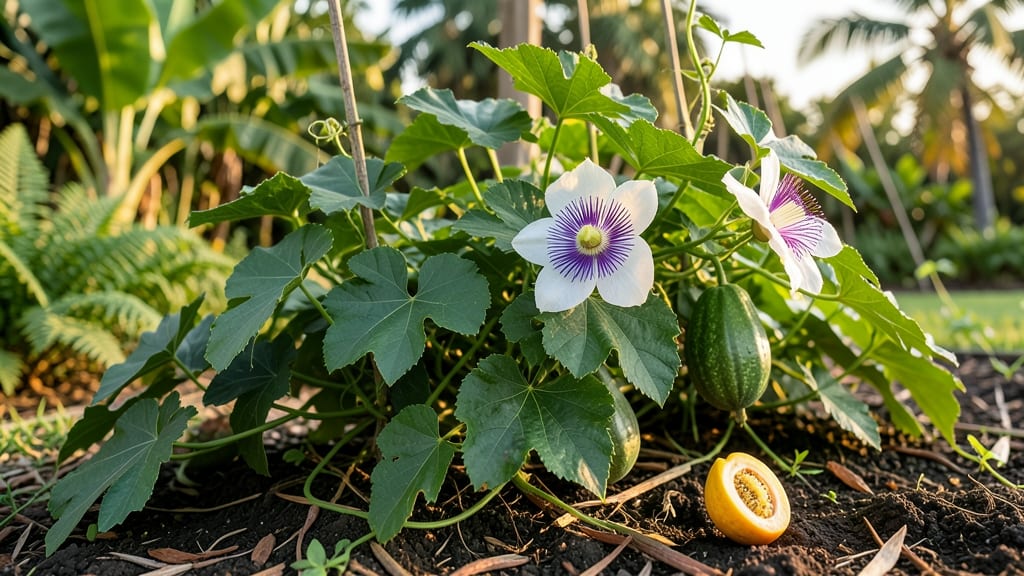
Turning the passion fruit flower to fruit time into a ripe harvest takes 15–30 days under ideal conditions—but the real magic happens in the details.
Picture this: you wake up to a cluster of delicate passion fruit blooms, only to wonder if they’ll ever turn into those sweet, tangy fruits you crave. The truth? Timing depends on more than just luck—it’s about sunlight, temperature, and even how well those flowers get pollinated.
Get it right, and you’re on track for a harvest in as little as three weeks. Miss a step, and you might be waiting months—or worse, watching your flowers drop without a trace.
Here’s the game-changer: most gardeners overlook how consistent care speeds up the process. Think 6+ hours of sunlight daily, soil that stays moist but not soggy, and a little help from nature (or a paintbrush) to transfer pollen.
Skip these, and your flower-to-fruit time stretches out like a lazy vine on a hot afternoon.
In this guide, I’ll break down the exact days it takes, the conditions that make the difference, and the simple tweaks that turn your passion fruit plant into a fruiting machine. Ready to go from bloom to harvest faster than ever?
How many days does it take for passion fruit flowers to turn into fruit?
Passion fruit flowers typically transform into fruit within 15 to 30 days, but this timeline can vary based on growing conditions. Understanding this process helps you optimize care and maximize your harvest.
The journey from bloom to fruit involves precise stages, each influenced by factors like temperature, humidity, and pollination. Let’s break down what happens during this critical period.
First, passion fruit flowers bloom in the morning and often wilt by afternoon—a natural process that ensures pollination. After successful pollination, the ovary begins swelling within 3 to 5 days. This early stage is delicate, and environmental stress can cause flower drop.
Once the ovary expands, you’ll notice a small, round fruit forming. Over the next 10 to 20 days, this fruit grows rapidly, changing from green to its mature color (yellow, orange, or purple, depending on the variety).
Here’s a quick breakdown of the key stages and their timelines:
| Stage | Duration | Key Observations | Critical Factors |
|---|---|---|---|
| Flowering | 1 day (morning) | Flowers open bright colors (purple, white, or red). | Pollinators (bees, hummingbirds). |
| Pollination & Ovary Swelling | 3–5 days | Ovary begins to swell; flower wilts. | Temperature (70–85°F), humidity (60–70%). |
| Early Fruit Formation | 5–10 days | Small green fruit forms; rapid cell division. | Consistent watering, nutrient balance. |
| Rapid Growth Phase | 10–20 days | Fruit grows rapidly; color shifts from green. | Sunlight (6+ hours/day), pruning for airflow. |
| Maturation | 15–30 days total | Fruit reaches full size; skin color deepens. | Stable temperatures, pest control. |
The entire process from flowering to a harvest-ready fruit typically takes 15 to 30 days, but this can stretch to 45 days in cooler climates or if pollination is poor.
For example, in Zone 10, where temperatures stay warm year-round, passion fruits often mature faster—sometimes in as little as 2 weeks. In contrast, cooler zones like Zone 9a may see delays, especially if nights dip below 60°F.
Temperature plays a huge role in this timeline. Passion fruit vines thrive in 70–85°F during the day and 60–70°F at night. If temperatures drop below 55°F, fruit development slows, and flowers may drop without setting fruit. Similarly, extreme heat above 95°F can cause flower abortion.
Humidity also matters—ideal levels are 60–70%. Low humidity can lead to poor pollination, while high humidity increases the risk of fungal diseases like powdery mildew, which can stress the plant and delay fruiting.
Pollination is another critical factor. Passion fruit flowers are self-pollinating but benefit from cross-pollination by bees, hummingbirds, or even manual pollination with a small brush. If pollination fails, the ovary will drop off within 3 to 5 days, wasting your effort.
To ensure success, plant companion flowers like marigolds or sunflowers to attract pollinators. If you’re growing passion fruit in a greenhouse or urban area with few pollinators, consider gently brushing the flower stamens with a soft paintbrush to transfer pollen manually.
Once pollination occurs, the fruit enters its rapid growth phase. During this time, the vine demands consistent moisture and balanced nutrients. Overwatering or underwatering can cause the fruit to split or drop prematurely.
Aim to water deeply 2–3 times per week, ensuring the soil stays evenly moist but not soggy. A mulch layer around the base of the vine helps retain moisture and regulate soil temperature, further supporting fruit development.
Pruning also plays a role in optimizing fruit production. Passion fruit vines can grow aggressively, and overcrowding reduces airflow, increasing the risk of disease. Prune leggy growth and remove any suckers that aren’t producing fruit to redirect the plant’s energy toward developing existing fruits.
Focus on maintaining an open structure that allows sunlight to reach all parts of the vine, ensuring even fruit maturation.
Finally, keep an eye out for pests like aphids, spider mites, or fruit flies, which can damage developing fruits. Use neem oil or insecticidal soap as a preventive measure, and remove any damaged or infested fruits immediately to prevent the spread.
By paying attention to these details, you can help your passion fruit flowers transition smoothly into plump, juicy fruits ready for harvest in as little as 2 weeks—or as long as 6 weeks, depending on conditions.
With the right care, you’ll soon be enjoying homegrown passion fruits straight from your vine. The key is patience and attention to detail during those critical first 30 days after flowering. 🍈
Optimal growing conditions to speed up passion fruit ripening
To transform those delicate passion fruit flowers into ripe, juicy fruits faster, focus on creating the perfect growing environment. Passion fruit vines thrive when given the right balance of sunlight, temperature, and soil conditions.
These factors directly impact how quickly your flowers develop into fruit, reducing the risk of flower drop or slow maturation.
First, ensure your passion fruit vines receive 6+ hours of direct sunlight daily. This is non-negotiable for accelerating fruit development. In hotter climates, provide afternoon shade to prevent heat stress, which can cause flowers to fall off before fruiting.
The ideal temperature range for optimal growth and ripening is between 70-85°F—any cooler, and the process slows dramatically.
✅ Pros of Ideal Conditions
- Faster ripening (15-30 days from flower to fruit)
- Higher fruit set (fewer dropped flowers)
- Larger fruits with better flavor
- Stronger vines resistant to stress
❌ Cons of Poor Conditions
- Delayed ripening (60+ days from flower)
- Flower drop (no fruit development)
- Small, bitter fruits (poor flavor)
- Weak vines prone to pests/disease
Next, pay close attention to your soil pH. Passion fruit vines prefer a slightly acidic to neutral soil with a pH between 6.0 and 7.5. Test your soil annually and amend it with compost or lime if needed.
Poor soil conditions can stunt growth and lead to nutrient deficiencies, which directly slow down fruit development.
Watering plays a crucial role in speeding up ripening. Keep the soil consistently moist but not waterlogged. Deep watering 2-3 times per week (or daily in extreme heat) encourages strong root development and supports fruit growth.
Avoid wetting the leaves to prevent fungal diseases like root rot, which can kill your vines.
Finally, consider adding a balanced fertilizer (7-9-5 NPK ratio) every 4-6 weeks during the growing season. This ensures your vines have the nutrients they need to produce abundant flowers and accelerate fruit ripening.
Stop fertilizing in late summer to allow the plant to focus on ripening existing fruits rather than producing new growth.
By mastering these optimal growing conditions, you’ll see your passion fruit flowers transform into ripe fruit in as little as 15-30 days—instead of waiting months for a harvest. The key is consistency: monitor sunlight, temperature, soil, and watering to keep your vines thriving all season long. 🌱