
Vegetables
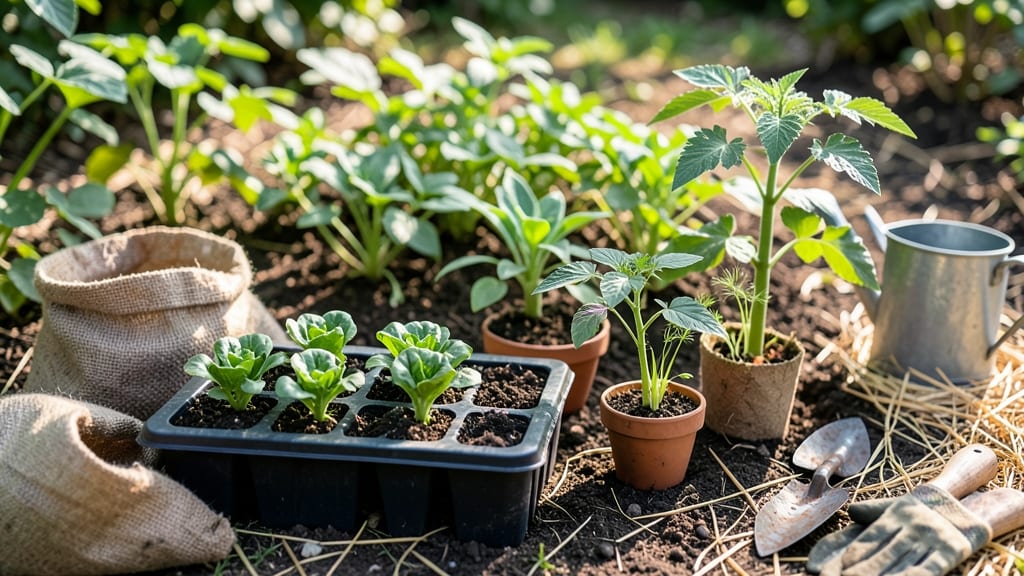
Planting organic vegetables starts with soil so rich it makes seeds blush with excitement. 🌱 I’ve learned that the secret to thriving plants isn’t fancy tools—it’s healthy soil, the right timing, and a little patience.
Your garden can produce fresh, chemical-free veggies all year, even if you’re just starting out or working with limited space.
The foundation is simple: compost, organic matter, and a few key amendments. I swear by a mix of worm castings and aged compost—it’s like giving your plants a five-star meal instead of fast food.
Choose heirloom seeds or organic seedlings, and plant them when the soil is warm enough (usually after the last frost, but cool-season crops like spinach can go in earlier).
By following these steps, you’ll harvest crisp lettuce, juicy tomatoes, and sweet carrots in just a few months. The best part? No synthetic fertilizers, no harsh sprays—just nature doing its thing. Your garden will become a lush, productive haven that even city dwellers can enjoy.
Works for containers, raised beds, or in-ground plots—no matter your setup, organic veggies are within reach. Let’s get those seeds in the ground!
📚 In This Guide
- What you need
- Instructions
- Tips and common mistakes
- Wrapping up and next steps
What you need
- ● Seeds or Seedlings: Choose organic, non-GMO varieties (e.g., heirloom tomatoes, leafy greens, or root veggies). Start with 5–10 plants per type for a balanced garden.
- ● Organic Soil: 5–10 cubic yards of high-quality, compost-rich soil (or potting mix for containers). Aim for a pH of 6.0–7.0 for most veggies.
- ● Compost: 2–3 bags (or homemade compost) to enrich soil and retain moisture.
- ● Watering System: Drip irrigation kit (for efficiency) or a watering can (for smaller gardens).
- ○ Rain barrel (optional but eco-friendly!).
- ● Mulch: Straw, wood chips, or shredded leaves (1–2 inches thick) to suppress weeds and retain moisture.
- ● Hand Trowel (for planting small seeds).
- ● Garden Gloves (to protect your hands—thorns and dirt are no match!).
- ● Pruners (for harvesting and trimming).
- ● Rake or Hoe (for weeding and soil prep).
- ● Measuring Tape or Ruler (to space plants correctly—aim for 12–24 inches apart, depending on the veggie!).
- ● Row Covers or Cold Frames (to extend growing seasons in cooler climates).
- ● Organic Fertilizer (e.g., fish emulsion or worm castings for a nutrient boost).
- ● Trellis or Tomato Cages (for climbing plants like cucumbers or beans).
- ● Garden Journal (to track planting dates, harvests, and notes for next year!).
Step-by-Step instructions for planting organic vegetables
Here's how to grow a thriving organic garden without the fuss—just good soil, smart timing, and a little patience.
🌱 Step 1: Prepare Your Soil for Maximum Growth
Start by clearing the area of weeds and debris, then loosen the top 6-8 inches of soil with a garden fork. Organic vegetables need rich, well-draining soil, so mix in 2-3 inches of compost or aged manure. I like to add a handful of worm castings too—they boost microbial activity that helps roots absorb nutrients.
Work the amendments into the soil until it looks dark and crumbly, like a well-fluffed cake batter. Avoid walking on the bed once it's prepped—you'll compact the soil and make it harder for roots to grow. If your soil feels heavy or clay-like, mix in 1 inch of coarse sand or perlite to improve drainage.
☀️ Step 2: Choose the Right Plants for Your Climate and Season
Organic vegetable gardening starts with the right plants. Cool-season crops like lettuce, spinach, and peas thrive in 50-65°F soil, while warm-season favorites like tomatoes and peppers need 60-85°F. Check your local frost dates—most organic seeds need 2-4 weeks of warm soil before planting.
For year-round bounty, plan succession plantings. After harvesting early crops like radishes, replant with fast-growing lettuce or bush beans. I always keep a small notebook with planting dates—it helps me avoid overcrowding and ensures a steady harvest. Space plants according to their mature size; 12-18 inches apart works for most vegetables.
💧 Step 3: Plant Seeds or Transplants at the Right Depth
For seeds, plant at a depth twice the diameter of the seed—small seeds like lettuce go just ¼ inch deep, while larger ones like beans need 1 inch. Press the soil gently around the seed to ensure good contact, but don’t pack it down too firmly. Water lightly to settle the soil without disturbing the seed.
If using transplants, dig a hole slightly larger than the root ball and place the plant so the top of the roots sits just below soil level. Fill in with soil, firm gently, and water deeply. Mulch with 2 inches of straw or shredded leaves to retain moisture and suppress weeds. Avoid mulching too close to stems—keep it 1-2 inches away to prevent rot.
✂️ Step 4: Water and Maintain for Consistent Harvests
Water deeply 1-2 times per week, aiming for 1-1.5 inches of water per week. Organic vegetables need steady moisture, so water in the early morning to reduce evaporation and disease risk. You’ll know you’re doing it right when the soil feels damp 2-3 inches deep—stick your finger in to check.
Fertilize lightly every 4-6 weeks with compost tea or a balanced organic fertilizer. Too much nitrogen leads to leafy growth at the expense of fruits. Watch for pests—handpick tomato hornworms or spray neem oil for aphids. A healthy organic garden thrives with minimal intervention, but staying vigilant keeps it productive.
🌿 Step 5: Harvest at Peak Ripeness for Best Flavor
Harvest leafy greens like spinach and lettuce by cutting outer leaves, leaving the inner growth to continue. Pick vegetables like tomatoes and peppers when fully colored and firm. Zucchini and cucumbers should be 6-8 inches long—harvesting them young encourages more production.
Use clean, sharp scissors or pruners to avoid damaging plants. Regular harvesting actually encourages more growth—plants focus on producing new fruits rather than maturing old ones. Store harvested veggies in the fridge or process them quickly to preserve freshness. A well-maintained organic garden keeps giving all season long!
Tips & tricks for perfect organic vegetable planting
Here's what nobody tells you about growing vegetables that actually thrive with minimal effort.
Soil Prep Secret: After loosening the top 6-8 inches of soil in Step 1, sprinkle a thin layer of coffee grounds (if you have them) before adding compost. The grounds add nitrogen and help break down organic matter faster. I've seen plants grow twice as fast in soil prepped this way—it's like giving your garden a caffeine boost!
Climate Hack: When selecting plants in Step 2, check your local USDA hardiness zone for more precise temperature guidance than just 50-65°F or 60-85°F ranges. For example, Zone 5 gardeners should focus on cold-hardy varieties like kale or Swiss chard that tolerate 40°F soil temps. A quick online search reveals exactly which varieties thrive in your specific microclimate.
Planting Depth Visual: For Step 3, think of seed depth like this: if you could hold the seed between your thumb and forefinger, that's roughly twice its diameter. For tiny lettuce seeds (¼ inch), imagine a pencil lead—just as thick as that. This simple visualization helps you plant consistently without measuring every time.
Watering Wisdom: In Step 4, the early morning watering tip is gold, but here's the real secret: water at the base of plants rather than overhead. This prevents fungal diseases and ensures roots get the moisture they need. I use a soaker hose for this—it waters slowly and deeply without disturbing the soil surface.
Pro Tips for Planting Organic Vegetables
- Here's what nobody tells you about growing vegetables that actually thrive with minimal effort.
- Soil Prep Secret: After loosening the top 6-8 inches of soil in Step 1, sprinkle a thin layer of coffee grounds (if y...
- Climate Hack: When selecting plants in Step 2, check your local USDA hardiness zone for more precise temperature guid...
Frequently asked questions
Got questions about growing your own organic veggies? You’re not alone—every gardener starts somewhere! Here are answers to the most common queries to help you grow with confidence and ease.
What’s the best time of year to plant organic vegetables?
Timing depends on your climate and crop! Cool-season veggies (like lettuce, spinach, and peas) thrive in spring/fall, while warm-season plants (tomatoes, peppers, cucumbers) need warmth (after last frost). For year-round harvests, use succession planting—sow seeds every 2–3 weeks for continuous yields.
Do I really need expensive organic soil to start?
Not at all! Start with a basic potting mix (look for "organic" or "compost-based" labels) and boost it with homemade compost or worm castings. Avoid synthetic fertilizers—opt for fish emulsion, compost tea, or banana peels (for potassium) instead. Your wallet and plants will thank you!
How do I keep pests away without chemicals?
Prevention is key! Use row covers for early pests, neem oil (spray on leaves), or companion planting (e.g., basil near tomatoes). For slugs, try beer traps or copper tape. Healthy soil = strong plants, so focus on organic matter—pests hate thriving gardens!
Can I grow organic veggies in containers or small spaces?
Dwarf varieties (like bush beans or cherry tomatoes) are perfect for pots. Use 5-gallon containers for most veggies, ensuring they get 6+ hours of sunlight. Herbs (basil, parsley) and leafy greens (kale, Swiss chard) are also great space-savers. Just mimic outdoor conditions—water consistently and fertilize lightly.
How long until I can harvest my organic vegetables?
Harvest times vary! Fast growers like radishes (3–4 weeks) or green onions (4–6 weeks) are ready quickly, while tomatoes or squash take 60–90 days. Check seed packets for specifics—harvest when mature (e.g., tomatoes soften, zucchini stays small) for peak flavor and nutrition.
What if my organic veggies don’t grow as expected?
Troubleshoot step-by-step:
Wilting? Check water (over/under-watering) and soil drainage.
Yellow leaves? Could be nitrogen deficiency—add compost or fish emulsion.
Slow growth? Boost sunlight or thin crowded seedlings.
Blossoms but no fruit? Try hand-pollinating (gently shake plants) or add phosphorus (bone meal).
Most issues fix with patience and adjustments—don’t give up!Wrapping up and next steps
Planting organic vegetables is simpler—and more rewarding—than you might think! With the right low-maintenance techniques, you can enjoy a year-round harvest of fresh, nutrient-packed produce without the fuss. Whether you’re a beginner or a seasoned gardener, this approach makes healthy eating effortless and sustainable.
Ready to take the next step? Start small—pick one or two easy crops like lettuce, herbs, or radishes—and let your confidence (and garden!) grow. Soon, you’ll be savoring the taste of homegrown goodness while nurturing a greener planet. 🌱✨