
Flowers
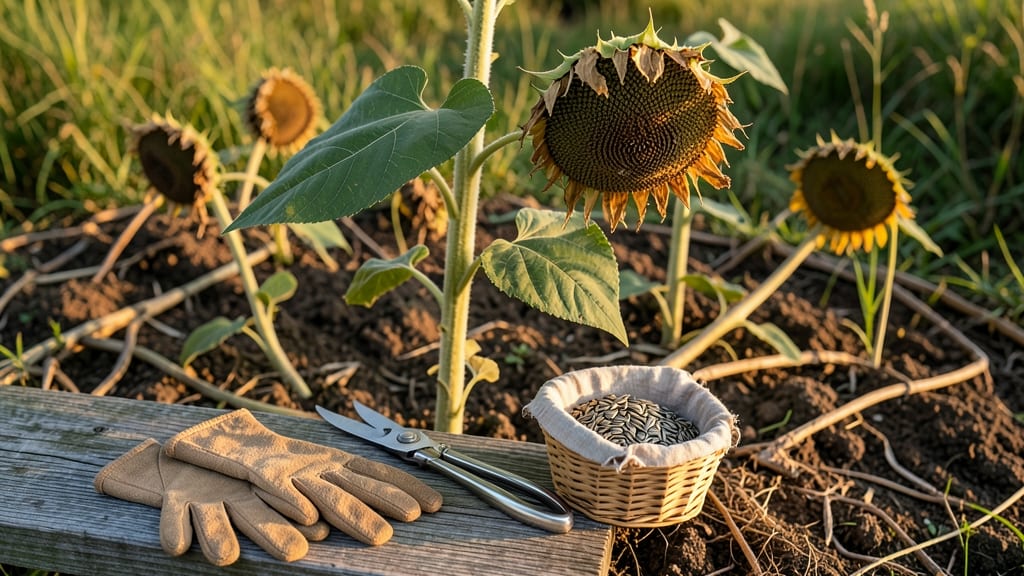
Sunflowers produce seeds about 60 to 120 days after planting, depending on the variety and growing conditions — a timeline that turns a cheerful 🌻 bloom into a seed-filled treasure.
Picture this: you’ve nurtured your sunflower from a tiny seedling to a towering garden star, only to wonder, “When will those seeds finally be ready?” Missing this window means watching your hard work wither on the stem instead of filling your kitchen with nutritious snacks.
The exact timing depends on factors like sunlight, water, and even your local climate. In USDA Zone 6, most sunflowers bloom between July and August, with seeds maturing by late summer or early fall. But heatwaves or drought can speed things up, while cooler weather might stretch the process.
Below, I’ll walk you through the key signs your sunflower seeds are ready to harvest — from the telltale color change to the satisfying rattle of a fully ripened head. No guesswork, just a foolproof way to turn your garden into a seed stash.
Sunflower seed production timeline by variety: from bloom to harvest
Timing is everything when it comes to harvesting sunflower seeds. While most varieties follow a similar growth pattern, the exact days to seed production can vary by 1-2 months depending on the type you grow.
Understanding these timelines helps you plan for a successful harvest and avoid missing the window when seeds are ready.
Sunflower seed production begins after the flower blooms fully and continues through the ripening phase, which typically takes 45-60 days after flowering. However, cooler climates or shorter growing seasons may extend this timeline.
Let’s break down the key stages for popular varieties so you can predict when your sunflowers will produce seeds.
| Variety | Days to Maturity | Flower Opening | Seed Ripening Phase | Climate Adjustment |
|---|---|---|---|---|
| Mammoth (e.g., 'Mammoth Russian') | 90-120 days | 60-80 days | 45-60 days after bloom | Add 10-15 days in cooler zones (USDA 3-5) |
| Teddy Bear (e.g., 'Teddy Bear') | 60-80 days | 45-55 days | 30-45 days after bloom | Subtract 5-10 days in warm zones (USDA 8-10) |
| Russian Giant | 100-130 days | 70-90 days | 50-70 days after bloom | Add 15-20 days in high-altitude areas |
| Autumn Beauty | 75-90 days | 50-65 days | 35-50 days after bloom | No major adjustment needed |
| Sunspot (Dwarf) | 50-65 days | 35-45 days | 25-35 days after bloom | Subtract 5 days in containers |
The flower opening stage is where the magic happens for seed production. Once the yellow petals fully unfurl, the sunflower begins its transition from bloom to seed development.
This phase is critical because it marks the start of the 45-70 day ripening period, depending on the variety and growing conditions.
For example, the 'Mammoth Russian' variety takes the longest—up to 120 days total from planting to seed maturity—while dwarf varieties like 'Sunspot' can produce seeds in as few as 50-65 days. If you're in a shorter growing season, opt for faster-maturing varieties to ensure seeds ripen before frost.
Pay close attention to the back of the seed head as it transitions from green to brown or tan. This color change signals that the seeds inside are fully developed and dry.
The rustling sound you hear when shaking the head is another telltale sign that seeds are ready for harvest.
In warmer climates (USDA zones 8-10), sunflowers may produce seeds 1-2 weeks earlier than their listed timeline due to extended daylight and higher temperatures. Conversely, in cooler zones (USDA 3-5), you might need to extend your timeline by 10-20 days to account for slower growth.
If you're growing sunflowers for both seeds and cut flowers, consider planting a mix of early and late varieties. This way, you can enjoy blooms throughout the season while still harvesting seeds from the later varieties.
For instance, pair 'Teddy Bear' (early bloomer) with 'Russian Giant' (late bloomer) to maximize your harvest.
One common mistake is harvesting seeds too early, which results in underdeveloped or shriveled seeds. Always wait until the seed head is fully brown and the seeds rattle loudly before cutting the head.
Once harvested, store seeds in a cool, dry place for up to a year to preserve their viability.
For gardeners in high-altitude areas, where growing seasons are shorter, choose early-maturing varieties like 'Autumn Beauty' or 'Sunspot'. These types can complete their seed production cycle even with fewer frost-free days, ensuring you don’t miss the harvest window.
Finally, remember that consistent sunlight and water are key to timely seed production
How to identify the perfect seed ripeness: visual & touch cues
Sunflowers reach their seed-producing peak after 80-120 days from planting, but knowing exactly when they're ready to harvest isn't just about counting days—it's about reading their visual and tactile cues.
The back of the seed head transforms from green to a dull yellow-brown when seeds are mature, while the petals naturally drop away. This stage marks the perfect window for harvesting before birds or pests get to them first.
Don't rely solely on color, though. The most reliable indicator is the tell-tale rustling sound when you gently shake the seed head. If seeds rattle loudly inside, that's your green light—it means they've fully developed and are ready for collection.
This sound comes from the dried seed cases separating slightly, creating that distinctive crinkling noise you can hear from several feet away.
⚠️ callout warning
Many gardeners harvest sunflower seeds too late, missing the optimal window when seeds are fully ripe but still dry. Overripe seeds may spill from the head or attract mold if left in damp conditions. The ideal harvest time is when the back turns yellow-brown and seeds rattle—not when it's completely brown and brittle.
Pro Tip: Harvest on a dry morning after dew has evaporated to prevent moisture from causing premature sprouting.
For dwarf varieties like Teddy Bear, watch for the seed head to shrink slightly and feel lighter in your hand. Standard varieties like Mammoth may take 10-14 days longer to reach this stage, so monitor them closely.
If you're unsure, split open one seed case—ripe seeds should be plump and firm, not shriveled or hollow-sounding.
Another visual cue is the seed head's texture. When fully ripe, the outer bracts (the small, dry leaves covering the seeds) will peel away easily with minimal pressure. If they resist or feel spongy, the seeds need more time.
This dryness is crucial because it prevents the seeds from absorbing excess moisture, which can lead to rot or poor storage life.
Timing is everything with sunflower seeds. Harvest too early, and the seeds won't store well—they'll be underdeveloped and prone to sprouting. Harvest too late, and you risk losing them to birds, squirrels, or weather.
The best approach is to check your sunflowers every 2-3 days during the final ripening phase, using both visual and tactile cues to confirm readiness.
Once you've confirmed ripeness, cut the seed head with 4-6 inches of stem attached and hang it upside down in a dry, dark place for 1-2 weeks. This allows the remaining moisture to evaporate, ensuring your seeds are perfectly dry and ready for storage.
Properly dried seeds will keep for up to a year in a cool, dark place.