
Flowers
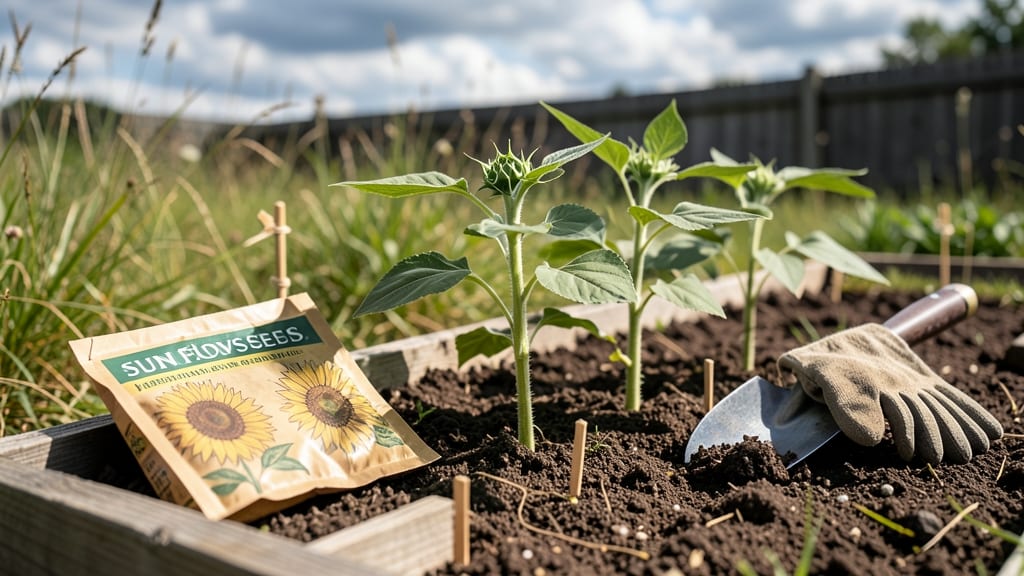
Planting sunflowers in Florida at the right time ensures they grow tall and bloom boldly—aim for late winter to early spring for the best results.
Picture this: you’ve waited all year for those towering 🌻 stalks to dominate your garden, only to watch them wilt under Florida’s summer heat before reaching their full potential. The secret? Timing matters more than you think.
Unlike northern states, Florida’s frost-free climate means you can plant year-round, but the ideal window is January through March. This gives sunflowers enough time to mature before the intense summer sun slows their growth.
In this guide, I’ll break down the exact months to plant by region, the best varieties for Florida’s heat, and how to keep your sunflowers thriving from seed to showstopping bloom.
Best sunflower planting months in Florida by region (with exact dates)
Florida’s climate lets you grow sunflowers year-round, but timing matters for those towering 10-foot stems and vibrant blooms. Unlike northern states, Florida’s USDA Zones 9a-11 mean no frost to worry about—but heat intensity varies wildly from Panhandle to Key West.
Plant too early in the south, and you’ll face midday wilting; too late in the north, and your sunflowers may bolt before reaching full height.
To maximize your sunflowers’ potential, I’ve broken down the ideal planting windows by Florida’s three key regions: North (Panhandle), Central, and South (Miami/Keys).
Each zone has its own temperature triggers and bloom timelines—and skipping these can mean sunflowers that stay short and scraggly instead of reaching their giant potential.
| Region | Best Planting Months | Soil Temp Threshold | Bloom Timeline | Height Potential |
|---|---|---|---|---|
| North Florida (Panhandle, Zone 8a-9a) | Late January - Early March | 55°F+ (after last frost risk) | April - June | 6-12 ft (early varieties) |
| Central Florida (Orlando, Tampa, Zone 9b-10a) | Mid-February - Mid-April | 60°F+ (avoid summer heat) | May - August | 8-14 ft (standard varieties) |
| South Florida (Miami, Keys, Zone 10b-11) | September - November | 65°F+ (cooler fall temps ideal) | October - December | 10-15 ft (giant varieties) |
| Year-Round Tip | Late summer (July-August) | 70°F+ (shade cloth recommended) | September - November | 4-8 ft (heat-stressed plants) |
In North Florida, aim for late January to early March to beat the summer heat. The soil needs to warm to at least 55°F for germination—use a soil thermometer if you’re unsure.
Here, ‘Autumn Beauty’ or ‘Teddy Bear’ varieties thrive, blooming by April and reaching 6-12 feet tall before the humidity peaks.
Central Florida gardeners have a wider window—from mid-February to mid-April—thanks to milder winters. This is prime time for ‘Moulin Rouge’ (with its red-tipped petals) or ‘Russian Giant’, which can hit 14 feet if planted in February.
Avoid starting seeds in May or June; the 95°F+ afternoons will stunt growth.
Down in South Florida, the magic happens in fall. Plant from September to November when temperatures dip into the 70s°F—this is the sweet spot for ‘Russian Mammoth’ or ‘ProCut’ varieties.
These sunflowers will bolt quickly in the heat but thrive in cooler fall weather, often reaching 10+ feet by December.
For year-round growers, July-August is possible but tricky. Use shade cloth (30-50%) to protect seedlings from intense midday sun, and expect shorter stems (4-8 feet). This is best for dwarf varieties like ‘Pole Position’, which handle heat better than giants.
Pro tip: Adjust for variety. Early-blooming types (like ‘Sunspot’) can handle late winter plantings, while giant varieties need the longer growing season of a spring or fall start.
Always check the days-to-maturity on your seed packet and count backward from your first expected frost date—even though Florida rarely gets frost, heat stress can mimic frost damage.
One common mistake? Planting directly in the ground without prepping the soil. Florida’s sandy soils drain too fast, so amend with compost and use mulch to retain moisture. Add a slow-release fertilizer at planting for that extra boost toward taller stems.
Ready to plant? Grab your sunflower seeds, check your local frost dates (yes, even in Florida!), and mark your calendar for the best window in your region. With the right timing, you’ll have sunflowers that outshine every neighbor’s garden—literally.
How to time sunflower planting for maximum height and bloom (Florida-specific tips)
Florida’s warm climate lets sunflowers grow year-round, but timing matters for those 10-foot-tall giants you dream of. The #1 mistake I see? Planting too late in spring when heat stress stunts growth. Instead, aim for soil temperatures above 55°F—that’s your green light for germination and rapid height gains.
Sunflowers need 6-8 hours of sunlight daily, but Florida’s intense summer sun can scorch seedlings. The secret? Start seeds indoors 2-3 weeks before last frost (yes, even in frost-free zones like Miami) or plant in partial shade during peak heat.
This buys time for roots to establish before full sun exposure.
For maximum height, focus on root development first. Amend soil with compost or aged manure before planting—Florida’s sandy soils need nutrients to support 10+ ft stalks. I’ve seen ‘Russian Giant’ varieties hit 12 feet when planted in well-fed soil with consistent moisture.
Water deeply 2-3 times per week during dry spells (June-September), but avoid wetting foliage to prevent powdery mildew. Mulch with straw or pine needles to retain moisture and keep roots cool. This simple step can add 3-5 feet to your sunflowers’ height by reducing stress.
Don’t forget: Florida’s humidity speeds up growth, but it also shortens the flowering window. If you want late-season blooms, plant ‘Autumn Beauty’ varieties in September—they’ll thrive in cooler temps and still reach 8-10 feet before winter.
Pro tip: Pinch back top buds when plants are 3 feet tall to encourage bushier growth and larger blooms. This works best for ‘Moulin Rouge’, a Florida favorite with double blooms that reach 6 feet wide.