
Flowers
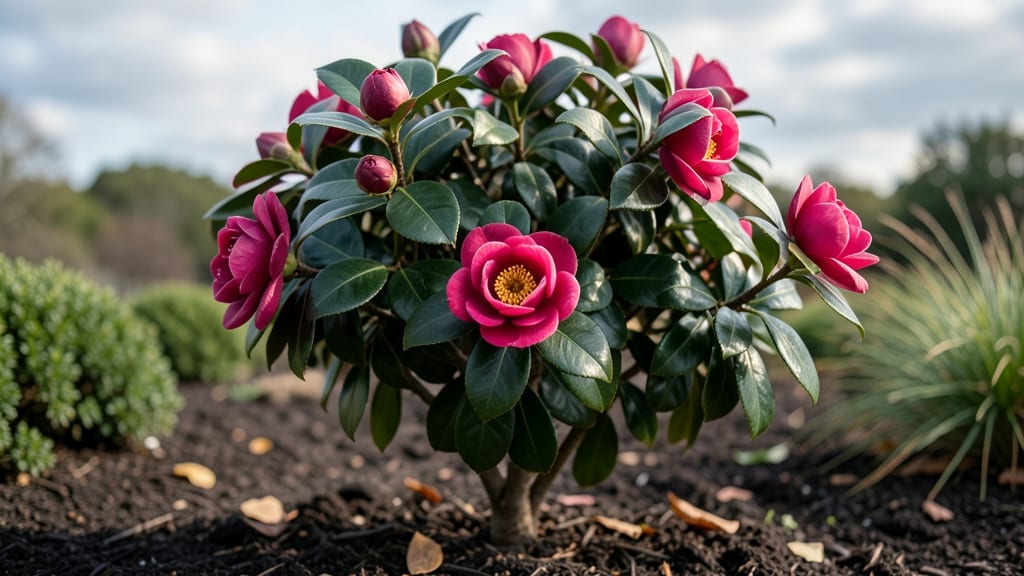
Camellias flower in late fall through early spring 🌸, with exact timing depending on your USDA zone and variety—some burst into bloom as early as October, while others wait until March.
Wondering why your camellia bush isn’t blooming yet? Timing is everything—these stunning evergreens follow precise seasonal cues based on your climate zone, and missing their bloom window could mean waiting another year for those show-stopping flowers.
In Zones 7-9, where camellias thrive, most varieties bloom between December and April, with a peak in January and February. But if you’re in Zone 10, you might see flowers as early as October or as late as May, thanks to milder winters.
Below, I’ll break down the exact months for your zone, how to encourage blooms, and what to watch for if your camellia is playing hard to bloom.
Camellia flowering months by USDA Zone: exact timelines
If you’ve ever waited patiently for your camellia to bloom only to be disappointed, you’re not alone. These elegant shrubs follow strict seasonal rhythms tied to your USDA zone, and missing their bloom window can mean a year-long wait.
Understanding camellia flowering months by zone is key to planning your garden around their natural cycles—whether you’re in frost-prone Zone 7 or mild Zone 10.
Most camellias fall into two bloom categories: fall/winter bloomers (like Camellia sasanqua) and late winter/early spring bloomers (like Camellia japonica). Your location shifts these timelines dramatically—Georgia gardeners may see blooms in November, while California’s coastal zones might enjoy flowers as late as March.
Let’s break down the exact months for each zone, including regional quirks.
In Zone 7, where winters are colder, your camellia sasanqua will likely burst into color in October or November, while Camellia japonica varieties wait until February or March after the last frost.
This northern limit means gardeners must protect buds from late-season freezes—sometimes as late as April in inland areas.
Moving south to Zone 8, the bloom season stretches dramatically. Fall bloomers start as early as September, and spring varieties may linger into April, especially in coastal regions like South Carolina or North Carolina, where ocean breezes delay frost.
Here, Camellia x williamsii (a hybrid) often bridges the gap, blooming from November to March.
By Zone 9, the timeline compresses. Most sasanqua camellias finish their show by February, while japonica varieties struggle to bloom reliably due to mild winters. The exception? Coastal California and Florida, where microclimates create pockets of extended blooms—sometimes even into April.
In these areas, afternoon shade becomes critical to prevent bud drop from heat stress.
In the rare Zone 10 environments (like Hawaii or Southern California), camellias often bloom in fall only, with sasanqua varieties dominating. Japonica types may produce sporadic blooms, but their peak season aligns with cooler months.
Gardeners here focus on water consistency and acidic soil maintenance to coax even modest displays.
Pro tip: If your camellia blooms late or not at all, check your light exposure. Too much afternoon sun in hot zones can scorch buds, while insufficient light in northern gardens delays flowering. Aim for morning sun and afternoon shade—this golden rule applies across all zones.
Remember, fall bloomers (like sasanqua) set their buds in summer, while spring bloomers (like japonica) need winter chill hours. If you’re in Zone 9 or 10, consider winter-chilling your plants by moving them to a cooler garage or using burlap wraps to simulate colder temps.
🌸
Why your camellia isn’t blooming: 5 common mistakes by Zone
If your camellia is sitting pretty with glossy leaves but no flowers, don’t panic—it’s often a matter of zone-specific care. These evergreens thrive in USDA Zones 7-9, but their blooming windows vary wildly depending on where you live.
In Zone 7, buds typically form in late summer, while Zone 9 gardeners might see fall blooms. Miss the timing, and you’ll miss the show!
Even with the right climate, common mistakes can sabotage your camellia’s bloom potential. From late frosts in Zone 8 to over-pruning in Zone 9, each region has its own pitfalls.
Let’s break down the top 5 reasons your camellia is playing hide-and-seek with its flowers—and how to fix them before next season.
Let’s tackle Zone 7 first, where late frosts are the arch-nemesis of camellia blooms. In March-April, a surprise frost can turn your swollen buds into crispy snacks. The fix? Choose frost-resistant varieties like Camellia japonica or plant near a south-facing wall to trap heat.
For existing plants, wrap them in frost cloth on cold nights—it’s like giving your camellia a cozy blanket!
Now, if you’re in Zone 8, your biggest enemy might be improper pruning. Many gardeners make the mistake of trimming right after blooms fade, but this cuts off next year’s flower buds, which form on old wood.
Wait until late summer (after buds appear) to prune. And always use clean, sharp shears to avoid disease—nothing ruins a camellia’s day like bacterial blight.
For Zone 9 gardeners, soil pH is often the silent bloom-blocker. Camellias crave acidic soil (pH 5.0-6.0), and alkaline soil (common in Southern California or Florida) locks out nutrients. Test your soil with a home kit or send a sample to your local extension office.
If the pH is high, mix in sulfur or pine needles to acidify gradually—patience is key here.
Don’t forget light exposure, especially in Zone 10, where intense midday sun can scorch delicate camellia buds. While these plants love morning sun, they’ll sulk in afternoon heat.
If your camellia is in a hot, exposed spot, add a lattice or shade cloth to filter the sun. Think of it as gardening sunglasses for your plant!
Finally, watering habits can make or break your camellia’s blooms across all zones. These plants hate drought stress, but they also despise soggy roots.
Aim for deep, infrequent watering—about 1-2 gallons per plant weekly—and always water at the base (not the leaves) to prevent fungal diseases. Mulch with pine bark to retain moisture and keep roots cool, especially in Zone 7’s brutal winters.