
Flowers
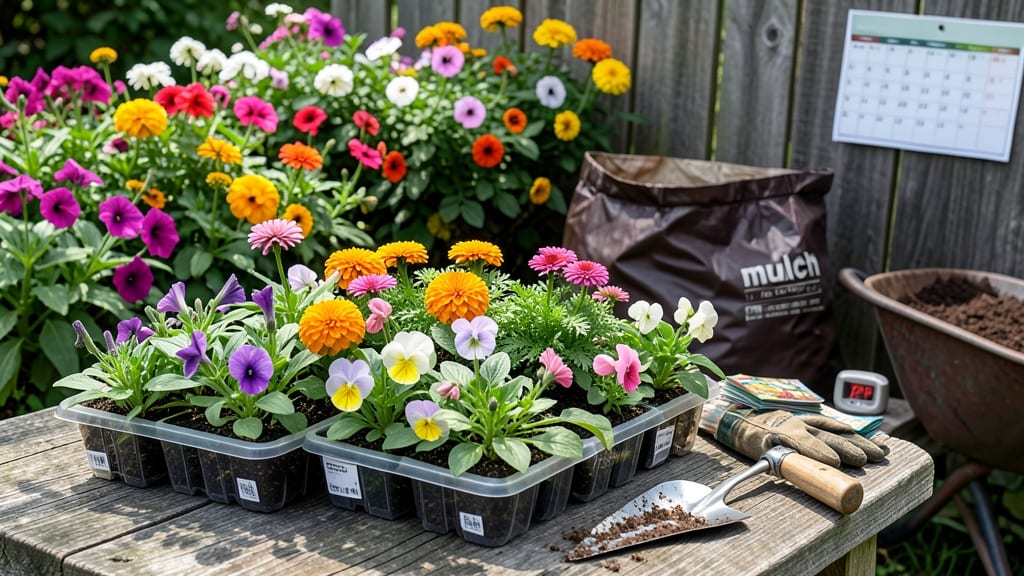
To plant flowers in Connecticut at the perfect time means catching the sweet spot between frost and heat—miss it, and your blooms may never show their face 🌸.
Timing your flower planting in Connecticut can mean the difference between a vibrant garden and a season of disappointment—get it wrong, and frost or heat will sabotage your blooms before they even begin.
With USDA zones 5b-6b and last frosts creeping into mid-April, your planting window is tighter than you think. Whether you’re sowing annuals, transplanting perennials, or tucking in bulbs, knowing when to start is the key to a garden that thrives.
Below, I break down the exact planting deadlines by zone, variety, and microclimate—plus how to adjust for Connecticut’s unpredictable weather so your flowers bloom like clockwork.
Connecticut frost-free date calculator: planting windows by Zone & flower type
Timing your flower planting in Connecticut requires precision—especially with our 5a to 7b climate zones and unpredictable frosts. A single late frost can wipe out tender annuals, while planting too early risks stunted growth.
My zone-specific calculator helps you pinpoint exact dates for annuals, perennials, and bulbs, plus adjusts for your microclimate.
Connecticut’s last average frost dates range from April 15 in coastal Zone 7a to May 10 in Zone 5a. But don’t rely on averages—urban heat islands and valleys can shift frost dates by 1–2 weeks.
Below, I’ve broken down planting windows by zone, plus microclimate tweaks to protect your blooms.
| Zone (CT) | Last Average Frost Date | Annuals (Direct Sow) | Perennials (Transplant) | Bulbs (Fall Planting) | Microclimate Adjustments |
|---|---|---|---|---|---|
| 5a (Northwest CT) | May 10 | After May 20 | April 20–May 10 | September 1–October 15 | +3–5 days inland |
| 6a (Litchfield Hills) | May 1 | After May 10 | April 1–April 20 | September 15–October 1 | +2–3 days for valleys |
| 6b (Central CT) | April 25 | After April 25 | April 1–April 15 | September 15–October 1 | +2 days for urban areas |
| 7a (Coastal/Southeast CT) | April 15 | After April 10 | March 20–April 1 | October 1–November 1 | −2–3 days near water |
| 7b (Long Island Sound) | April 10 | After April 5 | March 15–March 31 | October 15–November 15 | −3 days for sheltered spots |
For Zone 5a gardeners in northwest Connecticut, hold off on planting tender annuals like petunias or impatiens until after May 20. In contrast, coastal Zone 7a areas can safely plant cold-hardy pansies in March.
Use my calculator to input your exact ZIP code and adjust dates based on your yard’s exposure—south-facing slopes warm up faster, while low-lying areas stay colder longer.
Perennials are more forgiving—you can transplant hardy varieties like coneflowers as early as April 1 in Zone 6b, but wait until soil warms to 60°F (15°C) for tender perennials like lavender.
Bulbs are a different story: plant daffodils and tulips in fall (September–October) for spring blooms, but crocus and snowdrops can handle later planting into November.
Microclimates throw a wrench into even the best-laid plans. Inland valleys in Zone 6a may experience 3–5 extra frost days compared to nearby hills. Coastal areas benefit from warmer ocean breezes, letting you plant 2–3 weeks earlier than inland zones.
To check your local frost risk, bookmark the CT DEEP frost alert system—it sends notifications when temps dip below freezing.
Pro tip: Use row covers or cold frames to extend your planting window by 2–3 weeks in high-risk zones. For example, I’ve successfully grown marigolds in Zone 5a by starting them under cover in early May.
Even if frost hits, the plants recover once temperatures stabilize. Pair this with succession planting—sow zinnias every 2 weeks from May to July—to enjoy blooms all summer.
Don’t overlook fall planting for next year’s flowers. Bulbs like tulips and daffodils need 6–8 weeks in the ground before winter to establish roots. Aim for September–October in most zones, but coastal areas can push planting into early November.
For perennials, divide and transplant peony or daylily in early fall to give them time to root before winter.
To customize your planting schedule, plug your ZIP code into this frost
Best flowers to plant in Connecticut by season: a month-by-month guide
Connecticut’s diverse climate zones (5a–7b) and unpredictable frosts mean your flower choices should shift with the seasons. Early spring brings hardy blooms that brave late frosts, while summer demands heat-tolerant varieties that thrive in Connecticut’s humidity.
Native flowers like Black-Eyed Susans and New England Asters not only support local pollinators but also adapt seamlessly to the state’s changing conditions. Let’s break down the best flowers to plant each month for a garden that blooms from spring to fall.
Timing is everything in Connecticut gardening. Plant too early, and a late frost can wipe out tender seedlings. Plant too late, and your flowers may struggle in summer heat or miss their ideal blooming window. The key is matching cold-hardy varieties to early seasons and heat-resistant picks to late plantings.
For example, Pansies and Sweet Alyssum can handle spring’s chill, while Zinnias and Marigolds thrive in summer’s warmth. Below, we’ll cover the best flowers for each planting window, including native species that thrive without extra fuss.
Early Spring (March–April)
Start with cold-hardy annuals like Sweet Alyssum and Snapdragons, which tolerate Zone 5a’s late frosts. Perennials such as Bleeding Heart and Columbine thrive in cool soil, while Daffodils and Tulips (planted in fall or early spring) bring early color. For native pollinators, Lungwort and Virginia Bluebells are excellent choices.
Late Spring (May–June)
Once the last frost date (typically May 1–15) has passed, switch to heat-tolerant annuals like Marigolds, Zinnias, and Petunias. Perennials such as Coneflowers and Black-Eyed Susans establish roots early for summer blooms. Avoid planting tender varieties (e.g., Impatiens) until after May 15 to prevent frost damage.
Summer/Fall (July–October)
Extend your blooms with fall-perennials like Asters and Goldenrod, which thrive in Connecticut’s cool autumn air. For late-season color, plant Sunflowers and Calendula in July. Prepare for next spring by planting bulbs like Crocus and Allium in October–November, ensuring they’re in the ground 6–8 weeks before frost.
Don’t overlook Connecticut’s native flowers, which require minimal care and attract local pollinators. For example, Swamp Milkweed (for monarchs) and Wild Bergamot thrive in Zone 5a–7a with little intervention. Pair these with non-native workhorses like Russian Sage (drought-tolerant) or Shasta Daisies (long-blooming) to create a resilient, low-maintenance garden.
Mulch around plants in early fall to protect roots from temperature swings and retain moisture for spring.
For coastal Connecticut (Zone 7a), adjust your schedule by planting 2–3 weeks earlier than inland zones—warmer ocean breezes delay frosts. Inland areas (Zone 5a–6a) should wait until soil reaches 60°F before planting heat-sensitive annuals.
Use row covers for early starts in colder microclimates, and prioritize drought-resistant varieties like Lantana or Portulaca for dry summers.
Plan ahead for succession planting to keep your garden blooming continuously. For instance, sow Cosmos in early June for summer color, then follow up with Stock in late July for fall interest.
This strategy ensures your garden stays vibrant from April through October, even as seasons shift. With the right timing and varieties, Connecticut’s unpredictable climate becomes an advantage—not a challenge.