
Plants
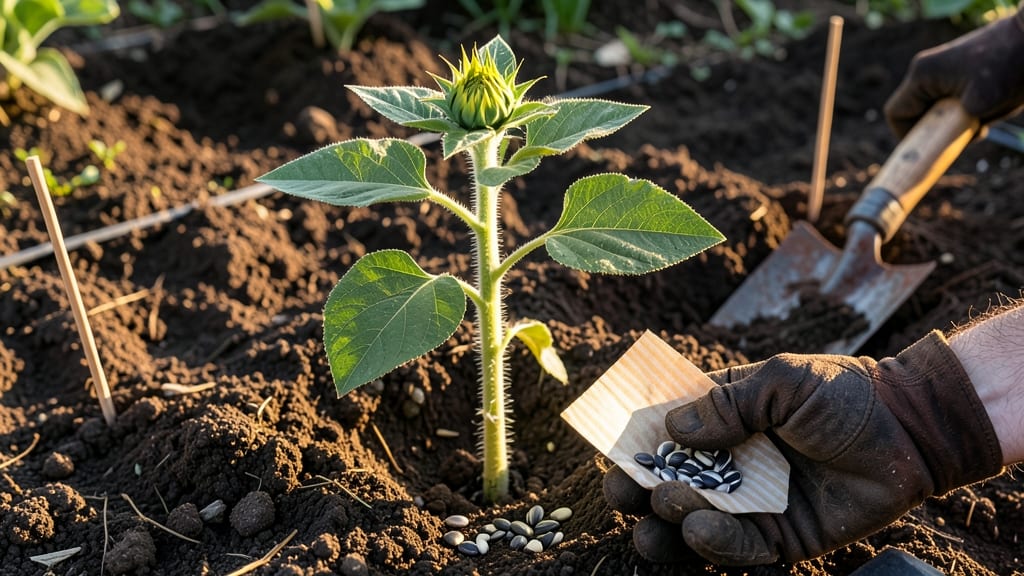
Plant sunflower seeds in Massachusetts after your last frost date, typically between late April and mid-June, to give them the 165 frost-free days they need to reach their towering heights.
Massachusetts gardeners know timing is everything—plant sunflower seeds too early, and frost will kill them; too late, and you’ll miss the towering summer blooms you love. But with the right frost-free date guide, you can grow 🌻 sunflowers that thrive from Boston to the Berkshires.
In zones 5b-7a, the average last frost date lands in mid-May, but coastal areas like Cape Cod may warm up a week earlier. Inland spots like Worcester can lag by a week or more, so check your local forecast or use a 5-year average for extra safety.
Below, I break down the best planting windows by zone, how to prep your soil for maximum height, and the 3 best varieties for Massachusetts gardens—whether you want early blooms or giant stalks for fall harvests.
Massachusetts sunflower planting dates by hardiness Zone (5-6)
Sunflowers in Massachusetts thrive when planted at the right time—after the last frost but before soil temperatures hit 85°F. In USDA Zones 5b and 6a, this typically means late April to mid-June, but exact dates vary by region.
Coastal areas like Cape Cod often have earlier frost-free dates (late April), while inland zones like the Berkshires may wait until mid-May. Understanding these nuances ensures your sunflowers grow tall and strong.
For direct sowing, wait until the soil warms to 55°F+—a critical threshold for germination. In Zone 5b, this usually aligns with mid-May, while Zone 6a can start as early as late April.
If you’re transplanting seedlings, start them indoors 4-6 weeks before your last frost date, then transfer them after nighttime temperatures stay above 50°F. This two-step approach gives you flexibility in unpredictable spring weather.
Here’s a quick reference for Massachusetts sunflower planting dates, broken down by zone and method:
| Zone & Location | Last Frost Date | Direct Sowing Window | Transplant Window | Soil Temp Threshold |
|---|---|---|---|---|
| Zone 5b (Inland: Worcester, Springfield) | Mid-May | Late May – Early June | Early May – Mid-May | 55°F+ |
| Zone 6a (Coastal: Boston, Cape Cod) | Late April | Late April – Mid-May | Early April – Late April | 50°F+ |
| Zone 5b (Berkshires: Pittsfield) | Early May | Early June – Mid-June | Late May – Early June | 55°F+ |
| Microclimate Tip | Warmer microclimates (e.g., south-facing slopes) | Plant 2 weeks earlier | Transplant 1 week earlier | Monitor soil daily |
Adjusting for microclimates is key—coastal areas like Provincetown can plant sunflowers 3-4 weeks earlier than inland zones. Use a soil thermometer to confirm readiness; sunflowers won’t sprout until soil hits 55°F.
If you’re in doubt, opt for late May planting—it’s better to wait than risk frost damage to young seedlings.
For transplanting, start seeds indoors under grow lights 4-6 weeks before your last frost. Use biodegradable pots to avoid disturbing roots when moving them outdoors. Harden off seedlings by placing them outside for 2-3 hours daily the week before transplanting.
This gradual transition helps them adapt to Massachusetts’ variable spring weather.
If you miss the ideal window, don’t despair—sunflowers are fast-growing annuals. You can still plant late June to early July for smaller but still stunning blooms. Just expect shorter stems and fewer seeds.
For giant varieties like ‘Russian Giant’, stick to the early window; they need 100+ days to reach their full 12-foot height.
Pro tip: Use black plastic mulch to warm soil faster in cooler zones. This trick can shave 1-2 weeks off your planting timeline by raising soil temperatures 5-10°F. Just remove it once flowers appear to prevent overheating.
Pair this with well-draining soil amended with compost, and your sunflowers will reward you with bold, cheerful blooms all summer long.
Remember, sunflowers love heat but hate soggy roots. In Zone 6a, where summers can be humid, space plants 18-24 inches apart for airflow. In drier Zone 5b, reduce spacing to 12-18 inches to retain moisture.
This balance ensures your sunflowers grow straight and strong, not leggy or prone to disease.
Track your local frost dates using the National Weather Service or apps like PlantNet. Bookmark these dates, and you’ll never miss the perfect moment to plant sunflower seeds in Massachusetts. With the right timing, you’ll enjoy sunflowers that reach toward the sky—a true summer spectacle.
How to time sunflower planting for maximum height and bloom
Sunflowers are fast growers, but their height and bloom depend entirely on planting timing. In Massachusetts, where last frost dates vary from mid-April in coastal areas to early May inland, you’ll need to adjust your schedule.
The key is waiting for soil temperatures to hit at least 55°F—cold soil can stunt root growth and delay flowering.
Giant varieties like 'Russian Giant' need extra time to reach their 10-14-foot potential, so don’t rush planting. Start seeds indoors 4-6 weeks before your last frost date if you’re eager for early blooms, but direct sowing after May 15th often yields better results.
Spacing is critical too—giant varieties need 24 inches apart to avoid competition.
- 1 Wait for soil warmth: Plant only when soil reaches 55°F+—use a soil thermometer to check. Cold soil causes stunted growth and delayed blooms.
- 2 Direct sow after May 15: For maximum height, plant outdoors 2 weeks after your last frost date. This ensures 60+ days of warm weather for giant varieties.
- 3 Space giants 24" apart: 'Russian Giant' needs room to grow—crowding leads to weak stems and smaller blooms. Dwarf varieties can be planted 12 inches apart.
- 4 Avoid bolting: If planted too early, sunflowers may bolt prematurely (shoot up quickly but produce small blooms). Use black plastic mulch to warm soil faster in cooler areas.
- 5 Check for pests: Early planting increases risk of cutworms or squirrel damage. Use collars around seedlings or plant in protected beds until established.
If you’re growing sunflowers for seed production, aim to plant by June 1st in Massachusetts. This gives seeds enough time to mature before the first frost, typically around mid-October.
For cut flowers, earlier plantings (late May) will give you blooms by July or August, perfect for arrangements.
One common mistake is over-fertilizing with nitrogen, which promotes leafy growth at the expense of flower development. Instead, use a balanced 5-10-10 fertilizer at planting and again when flowers appear. Water deeply once a week to encourage strong roots, but avoid soggy soil to prevent root rot.
For coastal Massachusetts (e.g., Cape Cod), you can plant 2 weeks earlier than inland areas due to milder temperatures. Inland regions like Worcester or Springfield should wait until late May to avoid frost damage. Always monitor your local frost-free date—it’s your best guide!
With the right timing, your sunflowers will reward you with towering stems and vibrant blooms that attract pollinators all summer long. Happy planting! 🌻