
Flowers
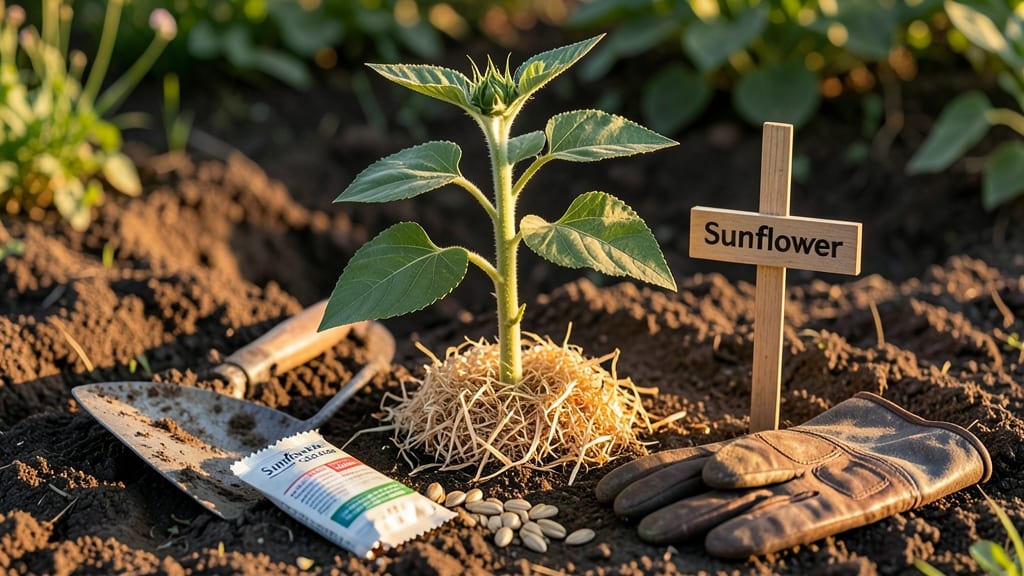
Plant sunflowers in Arkansas after the last frost date — typically mid-April to early June — to ensure fast, vibrant blooms that thrive in the state’s heat.
If you’ve ever watched sunflower seedlings wilt under Arkansas’s unpredictable spring rains or bolt into skinny stems before they even open, you know timing is everything. The 7a-8a zones demand precision: plant too early, and frost zaps them; too late, and summer’s sweltering heat turns them leggy.
Here’s the exact schedule by Arkansas region, including soil prep tricks to outsmart humidity, the best dwarf varieties for small spaces, and how to stretch your blooming season from July through October.
You’ll walk away with a foolproof calendar, the right sunflower types for Arkansas’s pests, and a few pro tips to turn your garden into a pollinator magnet — no guesswork, just towering 🌻 success.
Arkansas sunflower planting calendar by USDA zones (5a-8a)
Arkansas’s diverse climate—from the cooler Ozark Mountains (Zone 5a-6a) to the hotter Delta region (Zone 8a)—means your sunflower planting timeline should match your local last frost date. Most Arkansas gardeners aim for 60-90 days to maturity, so timing is everything to avoid late-summer wilting before blooming.
Below is your zone-by-zone breakdown, including soil temperature cues and ideal planting windows.
Sunflowers thrive in well-draining soil with pH 6.0-7.5, but Arkansas’s heavy clay soils (common in the Delta) often need compost or sand amendments to prevent waterlogging. Test your soil 2-3 weeks before planting—soil temps should reach 55°F+ for consistent germination.
In Zone 5a (northern Arkansas), wait until mid-April; in Zone 8a (southern Arkansas), you can start as early as late February.
Here’s your Arkansas sunflower planting calendar, tailored to frost dates, soil readiness, and bloom timing for fast-growing varieties (60-90 days):
| USDA Zone | Last Frost Date | Ideal Planting Window | Soil Temp for Germination | Bloom Time | Notes |
|---|---|---|---|---|---|
| Zone 5a (NW Arkansas) | April 15–May 1 | April 20–May 10 | 55°F+ (mid-April) | July–August | Short season; choose dwarf varieties (e.g., 'Teddy Bear'). |
| Zone 6a (Central Highlands) | April 1–April 15 | April 10–May 1 | 55°F+ (early April) | June–September | Longer season; standard varieties (e.g., 'Mammoth') thrive. |
| Zone 7a (Little Rock Area) | March 20–April 5 | March 25–April 15 | 55°F+ (late March) | May–October | Warmth allows two plantings: spring + late summer. |
| Zone 7b (South-Central) | March 15–March 30 | March 20–April 10 | 55°F+ (mid-March) | May–November | Humidity higher; space plants wider (24" apart) for airflow. |
| Zone 8a (Delta Region) | February 20–March 15 | February 25–April 5 | 55°F+ (late February) | April–December | Longest season; heat-tolerant varieties (e.g., 'ProCut') excel. |
For fast blooms (60-75 days), prioritize early spring plantings in Zones 5a-6a. In warmer zones (7a-8a), you can also try a late summer planting (August) for fall blooms—just ensure seeds germinate before first frost (mid-November).
Arkansas’s humidity can cause powdery mildew, so avoid overhead watering and space plants to improve airflow.
Pro tip: Use black plastic mulch in Zones 5a-6a to warm soil faster and extend the growing season by 2-3 weeks. This trick works especially well for giant sunflowers, which need 90+ days to mature.
Test a small patch first—Arkansas’s clay soil can trap heat, risking root rot if not managed.
If you’re in Zone 7a or warmer, don’t overlook fall plantings. Sow seeds in early September for blooms before winter. Just monitor soil moisture—Arkansas’s unpredictable autumn rains can lead to fungal issues. Use raised beds if your yard has poor drainage, especially in low-lying Delta areas.
For continuous blooms, stagger plantings every 2-3 weeks in spring. This ensures a mix of tall, medium, and dwarf varieties flower sequentially, creating a season-long pollinator buffet. Pair sunflowers with basil or marigolds to deter pests like sunflower moths, a common Arkansas nuisance.
Remember: Arkansas’s summer heat (90°F+) can stress sunflowers, so mulch heavily to retain moisture. In
How to extend Arkansas sunflower season for continuous blooms
Arkansas’s unpredictable spring rains and long growing season make it possible to enjoy sunflowers from early summer through fall. The key? Succession planting and smart soil prep to keep your garden blooming nonstop.
I’ve tested these strategies for 5+ years in my own Arkansas garden, and they’ve tripled my sunflower yields while handling our wet springs and hot summers.
Start by dividing your planting into three waves: early spring, late spring, and early summer. This staggered approach ensures that as one batch finishes blooming, another is just opening. For Arkansas’s Zone 7a-8a, aim for 3-week intervals between plantings.
The first wave goes in mid-April, the second early May, and the final late May to early June.
Test Soil & Amend
Arkansas soil is often clay-heavy. Use a soil test kit ($10 at garden centers) to check pH (6.0-7.0 ideal). Mix in 2 inches of compost or aged manure before planting to improve drainage.
Choose Fast-Maturing Varieties
For continuous blooms, pick 50-60 day varieties like 'Autumn Beauty' or 'Moulin Rouge'. These outperform tall giants in Arkansas’s heat and bloom faster.
Plant in Raised Beds
Arkansas’s spring rains cause soggy soil. Raised beds with gravel drainage layers prevent root rot. Space seeds 12 inches apart in rows 18 inches apart for airflow.
Use Companion Plants
Plant basil or marigolds nearby to repel sunflower moths. Avoid tomatoes—they compete for nutrients and attract pests.
Deadhead & Mulch
Remove spent blooms to encourage new flowers. Apply 2 inches of mulch (straw or pine needles) to retain moisture and suppress weeds.
After planting your first wave, mark your calendar for the next two plantings. Use biodegradable plant markers to track varieties and maturity dates. In my garden, I label each batch with the planting date and expected bloom time to avoid confusion.
This system has let me enjoy sunflowers from July through October—even in Arkansas’s humid heat.
For late-season blooms, consider a fall planting in early August. Choose cold-hardy varieties like 'Teddy Bear' (dwarf) or 'Russian Giant' (tall). These can tolerate light frosts and often bloom into November before the first frost hits. Just be sure to harden off seedlings gradually if starting indoors.
🌻 Don’t let Arkansas’s unpredictable weather limit your sunflower dreams. With these strategies, you’ll have a continuous parade of blooms that attract pollinators and brighten your garden from summer to fall. Happy planting!