
Flowers
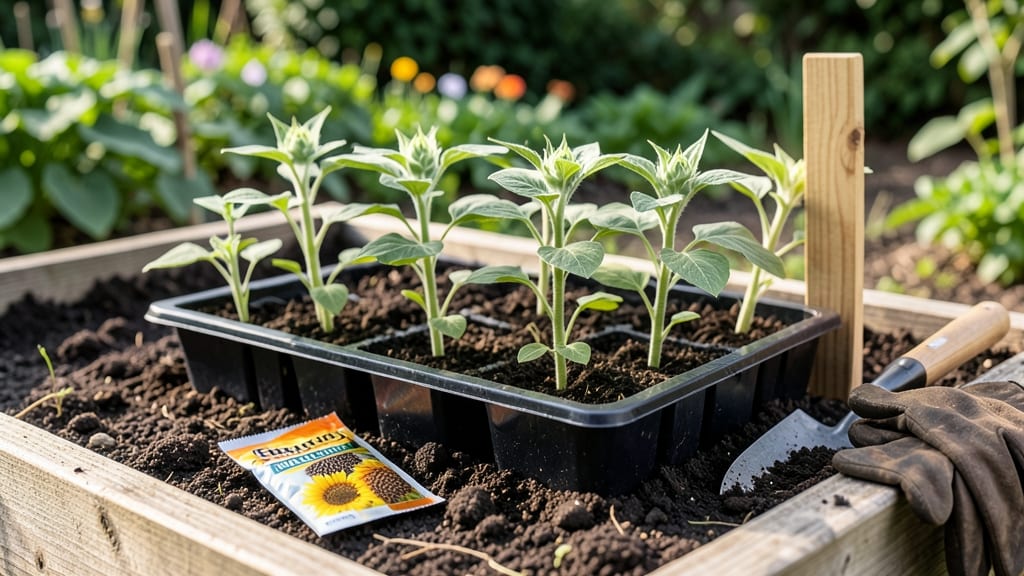
To plant sunflowers in Iowa, aim for late April to mid-June when soil temperatures hit 50°F—this ensures they thrive before summer heat arrives.
Sunflowers aren’t just beautiful—they’re hardy, fast-growing, and perfect for Iowa’s climate. But timing your planting wrong can mean stunted growth or missed blooms.
Iowa’s USDA Zone 5a-5b means frost can linger until mid-April, but waiting too long risks shorter stems or fewer blooms. The key is planting after the last frost when the soil warms up.
Here’s what you’ll learn: the exact planting window for your region, how to prep soil for maximum growth, and which sunflower varieties perform best in Iowa’s short but sweet growing season.
Iowa sunflower planting calendar: best months and soil temperatures
Timing is everything when growing sunflowers in Iowa. With USDA Zone 5's short growing season and unpredictable frost dates, planting too early or late can mean the difference between towering 12-foot giants and stunted 3-foot dwarfs.
The key is waiting until soil temperatures reach 50-60°F—when the ground stays warm enough for seeds to germinate reliably.
Iowa’s last frost date typically falls around April 15, but don’t rush to plant immediately. Sunflowers thrive with full sun exposure and need consistent warmth to establish strong roots.
For most varieties, the ideal planting window stretches from late April through mid-June, with May and June offering the best balance of warmth and daylight.
Here’s how Iowa’s climate impacts your planting schedule:
For dwarf sunflowers, you can start as early as late April when soil temperatures hit 50°F. These varieties mature faster (in 50-60 days) and are less sensitive to cooler temperatures, making them perfect for Iowa’s unpredictable springs.
Look for varieties like 'Teddy Bear' or 'Moulin Rouge'—they’ll reward you with cheerful blooms even if summer arrives late.
If you’re aiming for giant sunflowers, wait until early June when soil temperatures consistently stay above 60°F. These varieties need 100-120 days to reach maturity, so planting too early risks frost damage before they fully develop.
Varieties like 'Mammoth' or 'Russian Giant' are stunning but require sturdy supports—Iowa’s windy conditions can topple even the tallest stems.
Don’t overlook fall planting in Iowa. While less common, you can sow sunflower seeds in late July or early August for late-season blooms. The trade-off? Flowers may be smaller, but the extended growing season can still yield harvestable seeds.
This method works best in southern Iowa where first frosts arrive later, around mid-October.
Pro tip: Use a soil thermometer to check temperatures before planting. Sunflower seeds won’t germinate below 50°F, and cooler soils can lead to rot or slow growth.
If your soil is still chilly in May, consider black plastic mulch to warm it up faster—this is especially helpful for giant varieties that need every degree of warmth.
Remember that Iowa’s microclimates vary dramatically. Urban areas may experience heat islands that warm up faster, while rural spots can stay cooler longer. Adjust your planting date by 1-2 weeks based on your specific location’s frost history.
Check with your local cooperative extension office for precise frost date data tailored to your county.
Once you’ve nailed the timing, give your sunflowers 6-8 hours of sunlight daily and 1-2 inches of water per week. With the right start, you’ll be rewarded with vibrant blooms that attract pollinators and add height and drama to your garden—all while celebrating Iowa’s golden summers.
How to adjust sunflower planting for Iowa’s microclimates and weather risks
Iowa’s variable climate—with sudden late spring frosts and drought-prone summers—can challenge sunflower growth. Urban areas often face heat islands, while rural zones may experience soil moisture fluctuations. Adjusting your planting strategy based on these conditions ensures your sunflowers reach their full 10-foot-plus potential.
For urban gardeners, container planting with moisture-retentive soil helps combat heat stress. Rural gardeners should prioritize well-drained soil in low-lying areas to prevent waterlogging. Both scenarios require flexible timing—ready to adapt if Mother Nature throws a curveball.
⚠️ Late Spring Frost Warning
Iowa’s average last frost is April 15, but unpredictable cold snaps can linger into May. Planting giant varieties too early risks stem damage. Use row covers or wait until soil temps hit 50°F—test with a soil thermometer for accuracy.
If you’re aiming for fall blooms, start a second planting in mid-July for varieties with 60-70 day maturity. This extends your growing season and ensures late-season color before the first frost in mid-October. Just be prepared for shorter daylight hours, which may slow growth.
Drought-resistant varieties like ‘Autumn Beauty’ thrive in Iowa’s dry spells. Pair them with mulch to retain moisture and reduce weed competition. For urban planters, self-watering containers with 5-gallon capacity work best—water deeply every 5-7 days during heatwaves.
Monitor local microclimates: South-facing walls absorb heat, while north-facing gardens stay cooler. Adjust planting dates by 1-2 weeks based on these microclimates. For example, delay dwarf varieties by a week in heat-prone areas to avoid bolting.
Finally, harden off seedlings gradually if starting indoors. Iowa’s windy conditions can stress young plants, so stake taller varieties early or use windbreaks. With these adjustments, your sunflowers will thrive despite Iowa’s challenges.