
Flowers
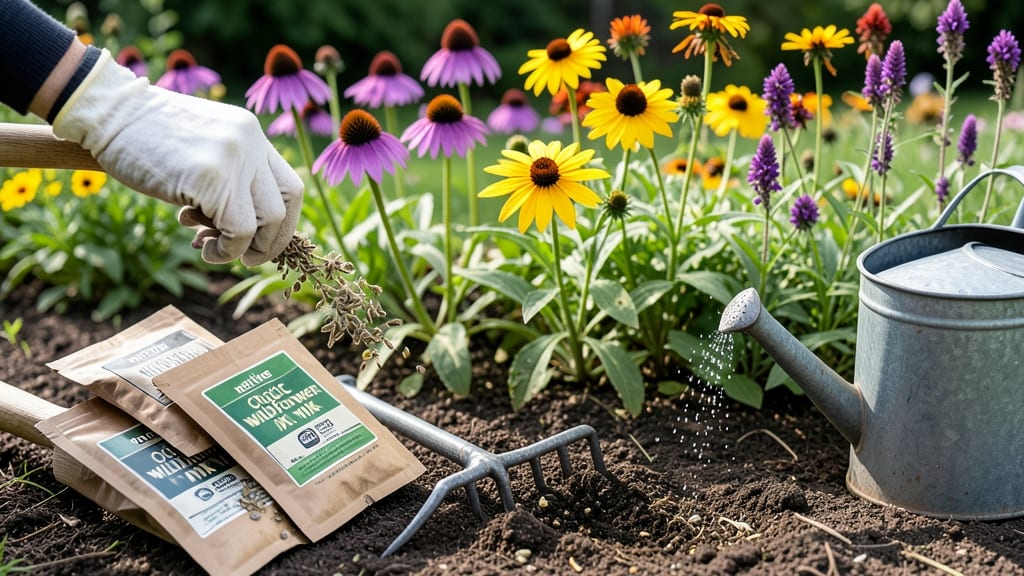
Planting wildflowers in Ohio at the right time can transform your garden into a vibrant, low-maintenance meadow 🌼 — and the best windows are early spring or early fall, depending on your climate zone.
Ohio’s diverse climate zones mean wildflower planting success hinges on timing—plant too early, and frost will kill your seeds; too late, and they’ll struggle to establish roots before winter. Here’s the exact schedule you need to follow for thriving wildflower meadows in every Ohio region.
In USDA Zone 6a, like much of Ohio, the ideal planting window is March to April for spring or September to October for fall. This timing aligns with soil temperatures and avoids the harshest frost risks, giving your wildflowers the best chance to thrive.
Below, I break down the best months by zone, soil prep tips, and how to choose the right wildflower varieties for your Ohio garden — so you can enjoy blooms from late spring through early fall.
Ohio wildflower planting timeline by climate Zone (2024 guide)
Ohio’s three distinct climate zones—Southern (Zone 6b-7a), Central (Zone 6a), and Northern (Zone 5b-6a)—create unique planting windows for wildflowers. Missing the optimal time by even a few weeks can mean the difference between a vibrant meadow and wasted seeds.
Let’s break down the best months to plant based on your location, including annual vs. perennial timing and frost-sensitive deadlines.
Most Ohio gardeners plant wildflowers in early spring (March-April) or early fall (September-October), but your exact window depends on whether you’re in southern Cincinnati or northern Cleveland. Fall planting is ideal for perennials, while annuals can handle late spring sowing.
Always check your last frost date—typically mid-April in the south and late April in the north—to avoid frost damage.
Pro Tip: Use a soil thermometer to confirm 50°F+ soil temps before planting—cold soil can delay germination by weeks. In Zone 5b (northern Ohio), wait until May 1 for spring planting, while Zone 7a (southern Ohio) can start as early as March 15.
For annual wildflowers, you can push the envelope slightly—sowing as late as June 1 in southern Ohio may still yield blooms by summer’s end. However, perennials like coneflower or milkweed need 6-8 weeks to establish roots before winter, so stick to the fall deadlines.
In northern Ohio, where winters are harsher, focus on early fall planting (by September 15) to avoid seedling stress.
If you’re planting wildflower meadows, prepare the soil in late summer (August) by removing weeds and tilling lightly. This gives seeds a clean slate when you sow in early fall. For container gardens, use well-draining mixes and plant annuals in late spring for immediate color.
Watch for unpredictable frost in Zone 5b—even after the average last frost date. Use row covers if sowing early in northern Ohio to protect tender seedlings. In southern Ohio, where winters are milder, you can extend fall planting to October 15 for hardy perennials like black-eyed Susan.
After planting, keep soil moist but not soggy for the first 4-6 weeks. Wildflowers are drought-tolerant once established, but young seedlings need consistent moisture. In summer, reduce watering to encourage deep root growth—this is especially critical in Zone 7a, where heat and humidity can stress plants.
For maximum blooms, mix annuals (like cosmos) with perennials (like bee balm) in your planting schedule. Annuals provide immediate color in the first year, while perennials return year after year. In northern Ohio, prioritize perennials for long-term meadows, as annuals may not survive harsh winters.
Mark your calendar for 2024 deadlines:
- Southern Ohio: Last chance for spring planting is April 15; fall planting ends October 1.
- Central Ohio: Spring deadline is April 30; fall planting closes October 15.
- Northern Ohio: Wait until May 1 for spring; fall planting must finish by September 30.
With this timeline, your Ohio wildflowers will thrive year-round, attracting pollinators and
Best wildflower seed types for Ohio’s seasons (and when to plant them)
Ohio’s wildflower meadows thrive when you match native species to the right planting window. Spring and fall are the ideal seasons for sowing seeds, but timing varies by variety. Black-eyed Susans and coneflowers love Ohio’s sun, while milkweed supports pollinators year-round.
Let’s break down the best seeds for your garden and when to plant them for maximum blooms.
For spring planting, aim for March through April after the last frost date. This gives seeds time to germinate before summer heat arrives. Fall planting in September to October lets seeds establish roots before winter dormancy.
Ohio’s USDA zones 5-7 influence these windows—Northern Ohio may need a later start than Southern regions.
Native wildflowers like purple coneflower and butterfly weed thrive in Ohio’s well-draining soil and full sun. They’re drought-tolerant once established, making them perfect for low-maintenance meadows. Non-native options like cosmos or zinnias also perform well but may require more frequent watering.