
Companion Plants
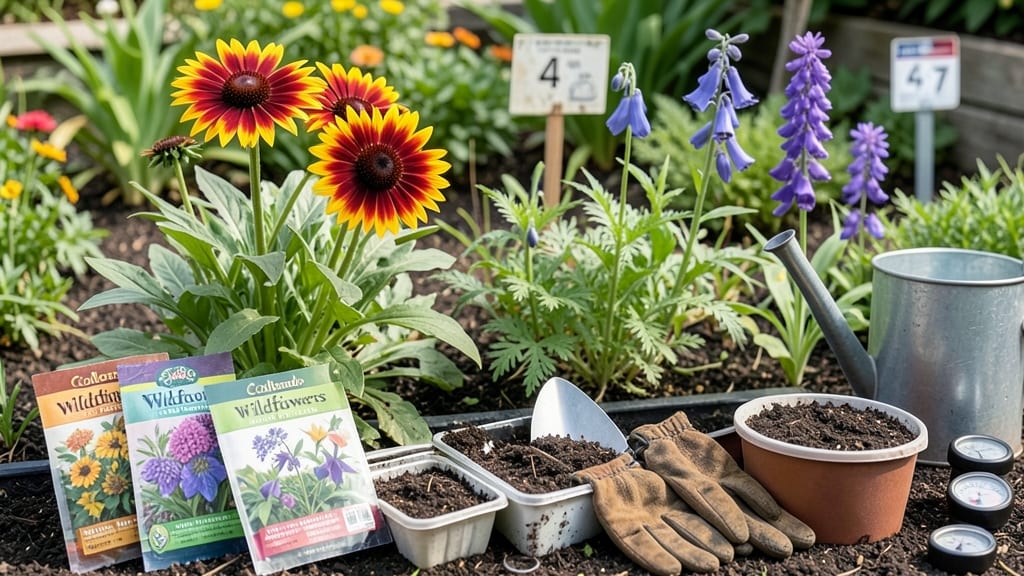
Planting flower seeds in Colorado at the right time means the difference between a garden bursting with 🌸 vibrant blooms and a season of disappointment. Colorado’s diverse climate—from high-altitude mountains to arid plains—means planting flower seeds at the wrong time can leave your garden empty or your blooms struggling.
If you’ve ever rushed to sow seeds only to watch them freeze under a late spring frost or bolt in the heat, you know timing is everything.
But with USDA zones 5-7 and elevation shifts that can change frost dates by weeks, figuring out the perfect window feels like solving a puzzle.
This guide cuts through the guesswork by breaking down the exact months to plant flower seeds in Colorado, whether you’re starting indoors or sowing directly. We’ll cover the best flowers for your zone, how to adjust for microclimates, and pro tips to stretch your blooming season from spring to fall.
Ready to transform your garden into a year-round floral oasis? Let’s dive into the precise planting schedule that works for Denver, Colorado Springs, and beyond.
Colorado planting zones: when to start flower seeds indoors vs. outdoors by month
Colorado’s USDA zones 5-7 create unique challenges for gardeners, especially with last frost dates that vary by 1,000+ feet in elevation. Denver’s Zone 5b might see frost until May 15, while Colorado Springs’ Zone 6a averages April 20.
Rural highland areas can delay planting until June due to late snow. Understanding these microclimates is key to timing your flower seed starts perfectly.
For annual flowers, I recommend starting seeds indoors 4-8 weeks before your last frost date. This gives delicate varieties like petunias and marigolds a head start, while hardy perennials (e.g., coneflowers) can often be direct-sown outdoors 2-4 weeks earlier.
Colorado’s short growing season means every week counts—especially in Zone 5 areas where summers are brief.
The summary table below breaks down exact planting windows by Colorado region, including Denver metro, Colorado Springs, and high-altitude rural zones. It covers both indoor starts (for tender annuals) and outdoor sowing (for cold-hardy varieties).
Pro tip: Use a seed heat mat for slow germinators like snapdragons in cooler zones.
| Region/Zone | Last Frost Date | Indoor Start (Annuals) | Outdoor Sowing Window | Best Flowers for Zone |
|---|---|---|---|---|
| Denver (Zone 5b) | Mid-April | Late Feb - Early March | Late April - Mid-May | Petunias, Marigolds, Zinnias |
| Colorado Springs (Zone 6a) | Early April | Early March | Mid-April - Early May | Coneflowers, Columbines, Snapdragons |
| Western Slope (Zone 6b) | Late March | Mid-February | Early April - Late April | Sunflowers, Cosmos, Nasturtiums |
| Highland Rural (Zone 5a) | Early May | Late March | Late May - Early June | Lavender, Yarrow, Hollyhocks |
*Adjust dates 1-2 weeks earlier for south-facing microclimates or later for north-facing gardens.
In Zone 5 areas (like Fort Collins), I always start tender annuals like geraniums indoors by February 15 to ensure they’re blooming by June.
For perennials, I wait until April 1 to direct-sow black-eyed Susans outdoors—they’re cold-hardy and thrive in Colorado’s dry soil. Zone 6 gardeners (e.g., Colorado Springs) can push indoor starts to March 1 and sow outdoors by April 15.
For summer-blooming flowers, I recommend a second planting in late July for varieties like cosmos and cleome. These heat-loving annuals need 60°F+ soil to germinate, so I always check with a soil thermometer before sowing.
In dry years, I mulch heavily to retain moisture—Colorado’s arid climate can dry out seeds in minutes if left uncovered.
One critical mistake I see often is planting cool-season flowers too late. Pansies and sweet peas need to establish roots 6-8 weeks before frost, so I sow them by August 1 for fall blooms.
For Zone 7 areas (like Albuquerque), this window extends to September 1. Always account for your first frost date—Colorado’s can arrive as early as September 20 in highlands.
If you’re in a microclimate (e.g., urban Denver with concrete heat islands), you can plant 2 weeks earlier than the average. Use a frost clock or local CoCoRaHS data to track your specific last frost.
For high-altitude gardens above 8,000 feet, add 1-2 weeks to all planting dates—these areas often have shorter summers and colder soils
Best flower seeds to plant in Colorado by season: spring, summer, and fall schedules
Colorado’s spring and fall seasons offer perfect windows for planting flower seeds, while summer brings heat-tolerant varieties that thrive in our arid climate. Whether you’re a beginner or seasoned gardener, timing is everything—especially with Colorado’s unpredictable frost dates and elevation variations.
I’ll break down the best flowers to plant each season, including exact months for direct sowing or transplanting, so you can enjoy blooms from May through October.
For early spring planting, focus on cold-hardy annuals like snapdragons and sweet peas, which tolerate light frosts. In summer, heat-loving flowers like cosmos and marigolds shine, while fall-planted flowers such as pansies and calendulas extend your season until the first frost.
Each flower has unique needs, so let’s dive into the ideal planting schedule for your Colorado garden.
- Spring (March–May): Plant cold-hardy annuals like snapdragons (March–April), sweet peas (March–April), and pansies (April–May) after the last frost. For perennials like coneflowers, sow seeds in late April or transplant seedlings in May.
- Summer (June–July): Direct-sow heat-tolerant flowers such as cosmos (June), zinnias (June–July), and sunflowers (June) once soil reaches 60°F+. Transplant marigolds and black-eyed Susans in late June for summer-long blooms.
- Fall (August–September): Extend your season with cool-season flowers like calendulas (August), asters (July–August), and sweet alyssum (September). These thrive in fall’s mild temperatures and often bloom until frost.
🌱 Pro Tip: Always check your last frost date (varies by elevation)—Denver’s average is mid-April, while high-altitude areas may wait until May.
In spring, I recommend starting seeds indoors for delicate flowers like petunias (4–6 weeks before last frost) to give them a head start.
For direct-sowing flowers, wait until soil temperatures rise above 50°F—usually late April to early May in most of Colorado. Marigolds and cosmos are exceptions; they germinate well in warmer summer soil, so plant them in June or July for vibrant summer color.
For fall planting, focus on flowers that tolerate cooler temperatures, such as pansies, snapdragons, and calendulas.
These can be sown as early as late July in lower elevations or August in mountainous regions. Succession planting in fall ensures continuous blooms—try sowing every 2–3 weeks until mid-September for a long-lasting display.
Don’t forget to mulch around plants in fall to protect roots from freezing temperatures and retain moisture. In high-altitude gardens (e.g., Colorado Springs or Boulder), extend your season by choosing drought-tolerant varieties like blanket flower or yarrow, which thrive in dry, rocky soil and bloom well into October.
With the right timing and flower selection, your Colorado garden can burst with color from spring to frost. Experiment with native flowers like columbines or penstemons for low-maintenance beauty, or go bold with annuals like zinnias or sunflowers for instant impact. Happy planting! 🌻